
Complete Minecraft Biomes Guide 2026 TL;DR
-
Minecraft biomes determine terrain, mobs, weather, structures, and resources generated.
-
Plains, Forest, Taiga, Meadow, and Savanna are some of the better starter areas due to how accessible wood and food are.
-
Jungle, Badlands, Mangrove Swamp, Warm Ocean, and Lush Caves are great to farm for unique resources.
-
Deep Dark, Basalt Deltas, Soul Sand Valley, and high mountain biomes are the riskiest areas, but they can generate useful resources and structures.
-
Sulfur Caves are the newest 2026 biome, adding sulfur and cinnabar blocks, geysers, and the Sulfur Cube mobs.
-
Mark rare biomes with coordinates once you find them, since resource hunting may get painful later.
Want to get a play-ready account with cool cosmetics and Hypixel or Bedrock servers progression? There are lots of Minecraft accounts for you to choose from on Playhub - all with secure delivery from verified sellers.
What Are Biomes in Minecraft?
Biomes are Minecraft’s natural regions. Each one has its own terrain, foliage or lack of it, mob spawns, and weather rules. That’s why every survival feels unique. A biome can also affect huge progression steps, like finding villages, Ancient Cities, and other notable POIs with rare spawns and useful mechanics. Here is a simple way to understand general biome type value:
|
Biome Group |
Main Role in Survival |
|---|---|
|
Plains and grassland biomes |
Easy building, animals, villages, you can build cozy farms here |
|
Forest biomes |
Wood, bees, wolves, darker mob cover |
|
Jungle biomes |
Bamboo, cocoa beans, melons, parrots, pandas |
|
Swamp biomes |
Mud, frogs, witch huts, slime farming potential |
|
Snowy biomes |
Snow, ice, igloos, strays, great for cold-themed builds |
|
Ocean biomes |
Shipwrecks, monuments, coral, turtles, prismarine |
|
Mountain biomes |
Goats, ores, snow, cliffs, scenic bases, building with great defensive properties |
|
Cave biomes |
Underground resources, sculk, dripstone, axolotls |
|
Dry biomes |
Sand, terracotta, cacti, villages, open travel with great visibility |
|
Nether biomes |
Nether progression, fungi wood, bastions and fortresses loot |
|
End biomes |
End Cities, Elytra, shulker shells, chorus fruit |
I’ll break biomes by type in this guide instead of focusing on each individual one. Each section explains what the biome offers, what makes it useful, and what players should watch out for.
New Minecraft Biome - Sulfur Caves
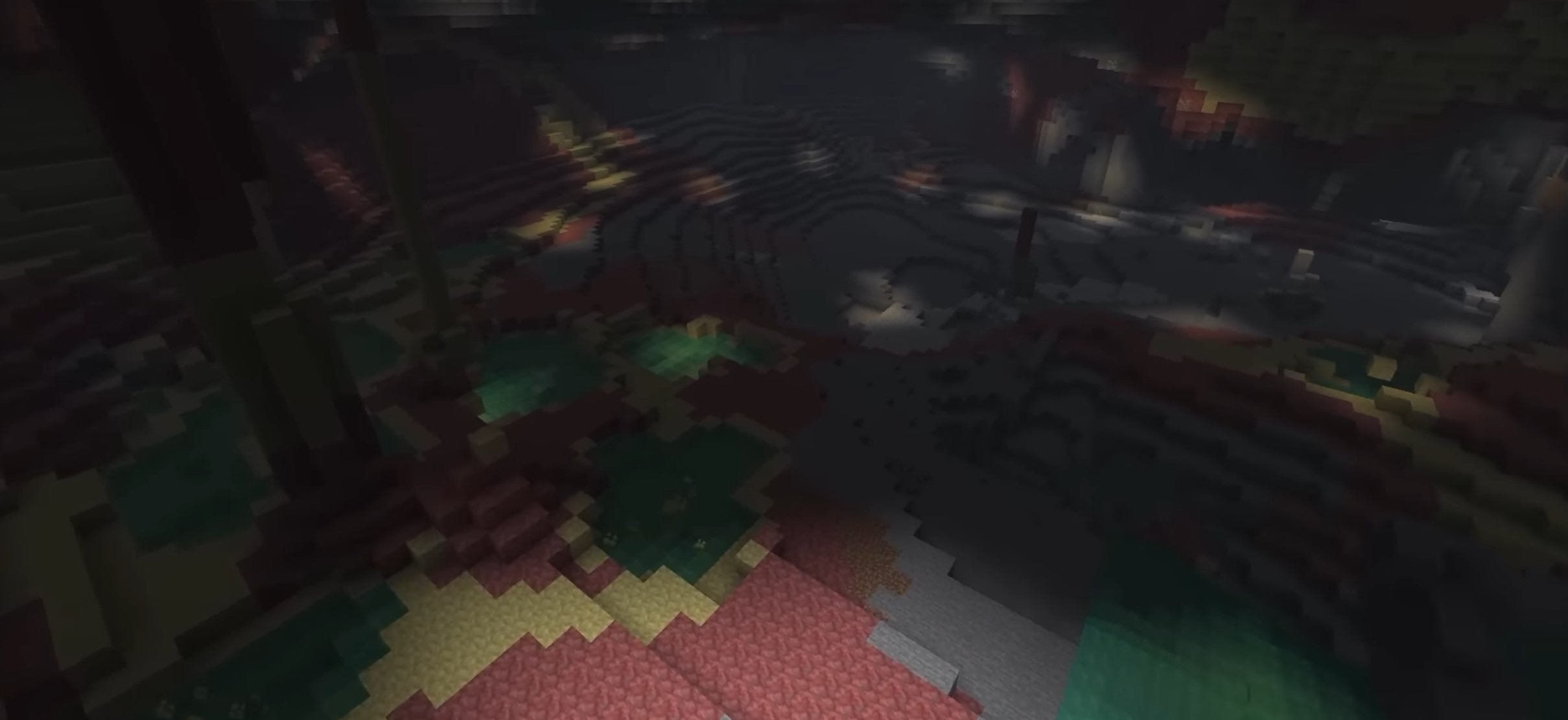
Sulfur Caves is the newest cave biome addition of the newest cave additions, which are actually connected to Chaos Cubed. This biome introduces sulfur-themed underground areas with a unique colorway and several notable features:
-
new cinnabar blocks
-
new sulfur blocks
-
sulfur cubes slime mobs
Sulfur springs and geysers can appear above these caves on the surface. Springs release noxious gases that cause Nausea, and geysers launch water upward with strong pressure when activated by magma. That gives the biome surface-level tips on where to find them, so players can know where to start(or not) digging down.
Sulfur cubes are the standout mobs of the biome. As stated in the official blog post, these slimy dudes can ingest blocks and gain different properties based on what they eat. Feeding them blocks like TNT or magma creates some interesting experiments, and they can also be carried in buckets. I think Sulfur Caves is best described as a mix of a rare resource biome, hazard zone, and slime mob playground.
All Minecraft Biomes in 2026
The main Survival biome list is easiest to read by dimension. The Overworld has the most variety, the Nether focuses on danger and resources, and the End is mostly about late-game travel and loot.
|
Type |
Biomes |
|---|---|
|
Overworld Plains and Grasslands |
Plains, Sunflower Plains, Meadow, Cherry Grove |
|
Overworld Forests |
Forest, Flower Forest, Birch Forest, Old Growth Birch Forest, Dark Forest, Pale Garden |
|
Overworld Taigas |
Taiga, Snowy Taiga, Old Growth Pine Taiga, Old Growth Spruce Taiga |
|
Overworld Jungles |
Jungle, Sparse Jungle, Bamboo Jungle |
|
Overworld Swamps |
Swamp, Mangrove Swamp |
|
Overworld Snow and Ice |
Snowy Plains, Ice Spikes, Grove, Snowy Slopes, Frozen Peaks |
|
Overworld Mountains |
Jagged Peaks, Stony Peaks, Windswept Hills, Windswept Forest, Windswept Gravelly Hills |
|
Overworld Dry Biomes |
Desert, Savanna, Savanna Plateau, Windswept Savanna, Badlands, Wooded Badlands, Eroded Badlands |
|
Overworld Oceans and Shores |
Ocean, Deep Ocean, Cold Ocean, Deep Cold Ocean, Frozen Ocean, Deep Frozen Ocean, Lukewarm Ocean, Deep Lukewarm Ocean, Warm Ocean, River, Frozen River, Beach, Snowy Beach, Stony Shore, Mushroom Fields |
|
Overworld Caves |
Lush Caves, Dripstone Caves, Deep Dark, Sulfur Caves |
|
Nether |
Nether Wastes, Crimson Forest, Warped Forest, Soul Sand Valley, Basalt Deltas |
|
End |
The End, Small End Islands, End Midlands, End Highlands, End Barrens |
|
Technical |
The Void |
The Void is mainly a technical biome, since most players spend their real progression time moving between the Overworld, Nether, and End.
Plains and Sunflower Plains
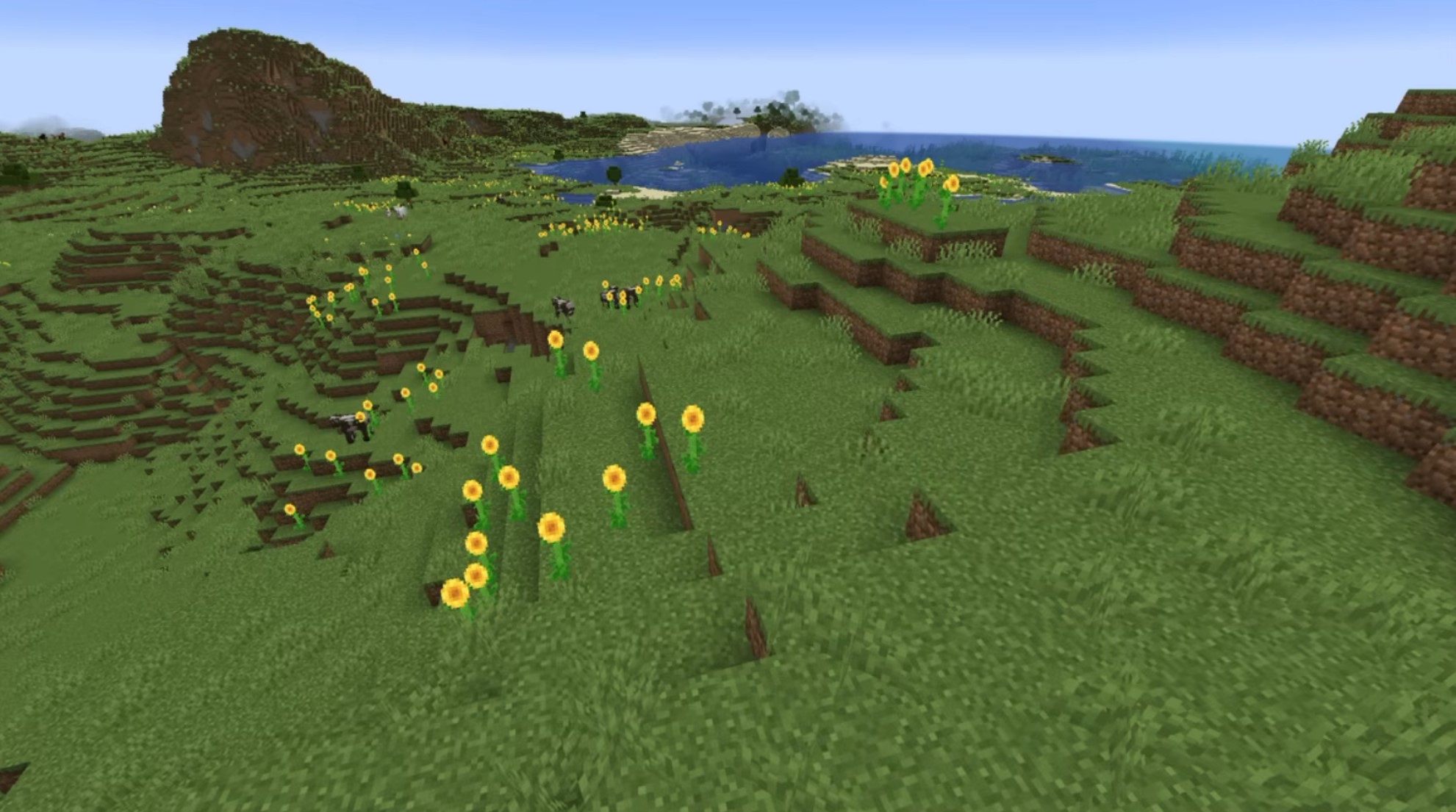
Plains are the default Minecraft comfort zone. The terrain is flat, animals are grazing around and are easy to spot, and there is enough open space to place farms, villager trading halls, and later megabases without hassle. Plains as one of the easiest spawn biomes because the flat ground reduces surprises, gives room for building, and often comes with passive useful mobs like cows, pigs, and sheep.
Villages are the biggest early benefit. A nearby village means beds, workstations, iron golems to protect you, and future trading. Horses can also spawn here, which helps early travel before Nether portals and Elytra enter the picture.
Sunflower Plains work almost the same way, but they add sunflowers across the landscape. Sunflowers always face east, which gives players a small navigation trick. They also create a brighter, more decorative base location, especially for cottage farms, bee setups, and yellow dye production.
Forest, Birch Forest, and Flower Forest
Forests are an old, reliable start because wood is everywhere. The downside is visibility. Trees block sightlines, and the shade can hide mobs during storms or at night. A creeper behind an oak tree is still one of the classic Minecraft ways to lose a starter house and hours of progression.
Birch Forests are simpler and easier to clear. Birch trees grow in neat shapes, so chopping them is less annoying than dealing with huge oaks. The pale wood works well for modern-style builds with bright interiors. Forests generally do not offer any rare features, but they are comfortable places to gather early resources.
Old Growth Birch Forests are taller and more dramatic. They give more vertical scenery and taller birch trees, but the Survival value stays mostly the same. They are better for atmosphere than for unique progression.
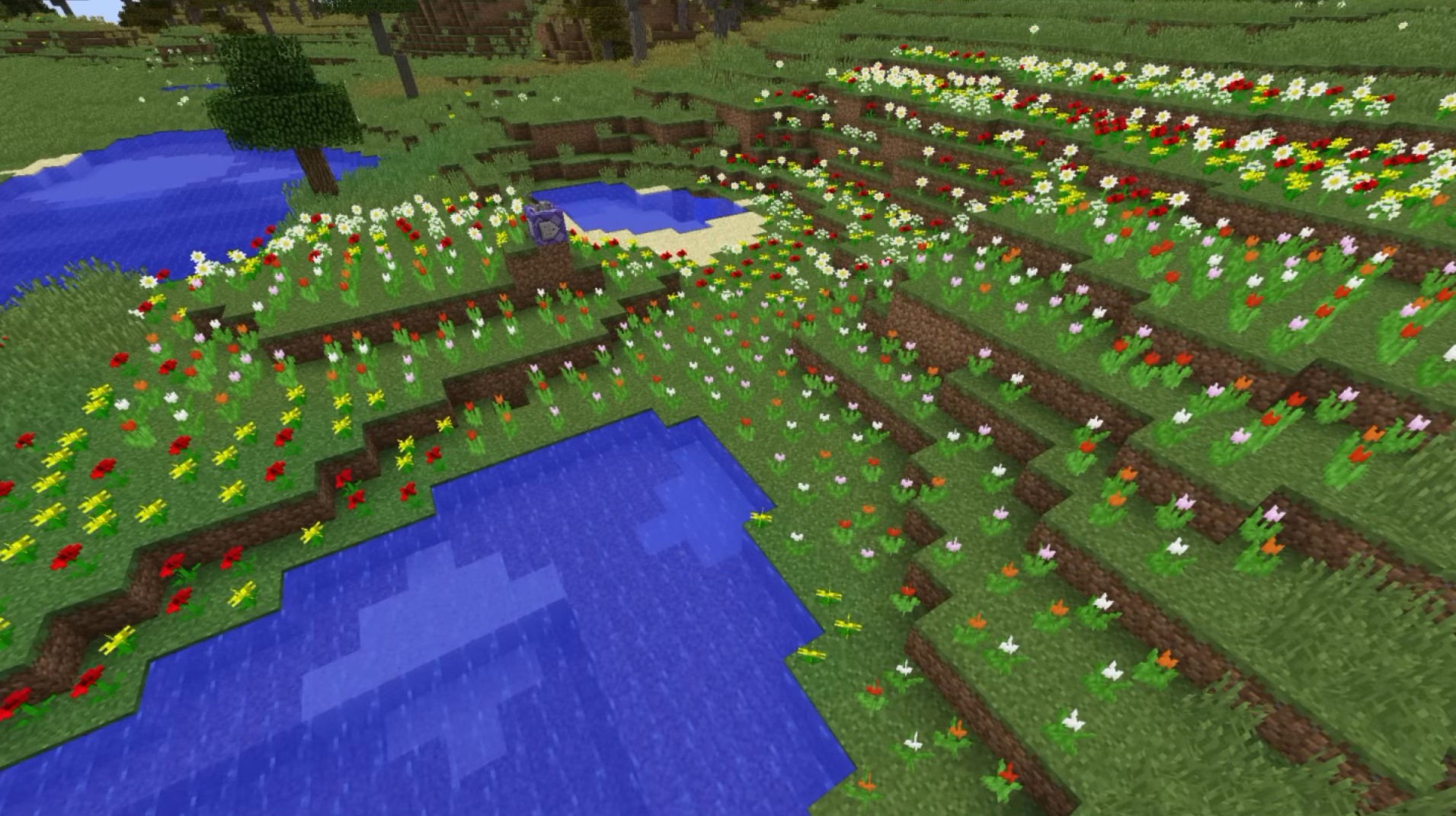
Flower Forests are the decorative side of this biome family. They are packed with flowers, making them excellent for dye farming and beekeeping. For players who like cozy builds, this biome does half the visual work before any blocks are placed.
Dark Forest and Pale Garden
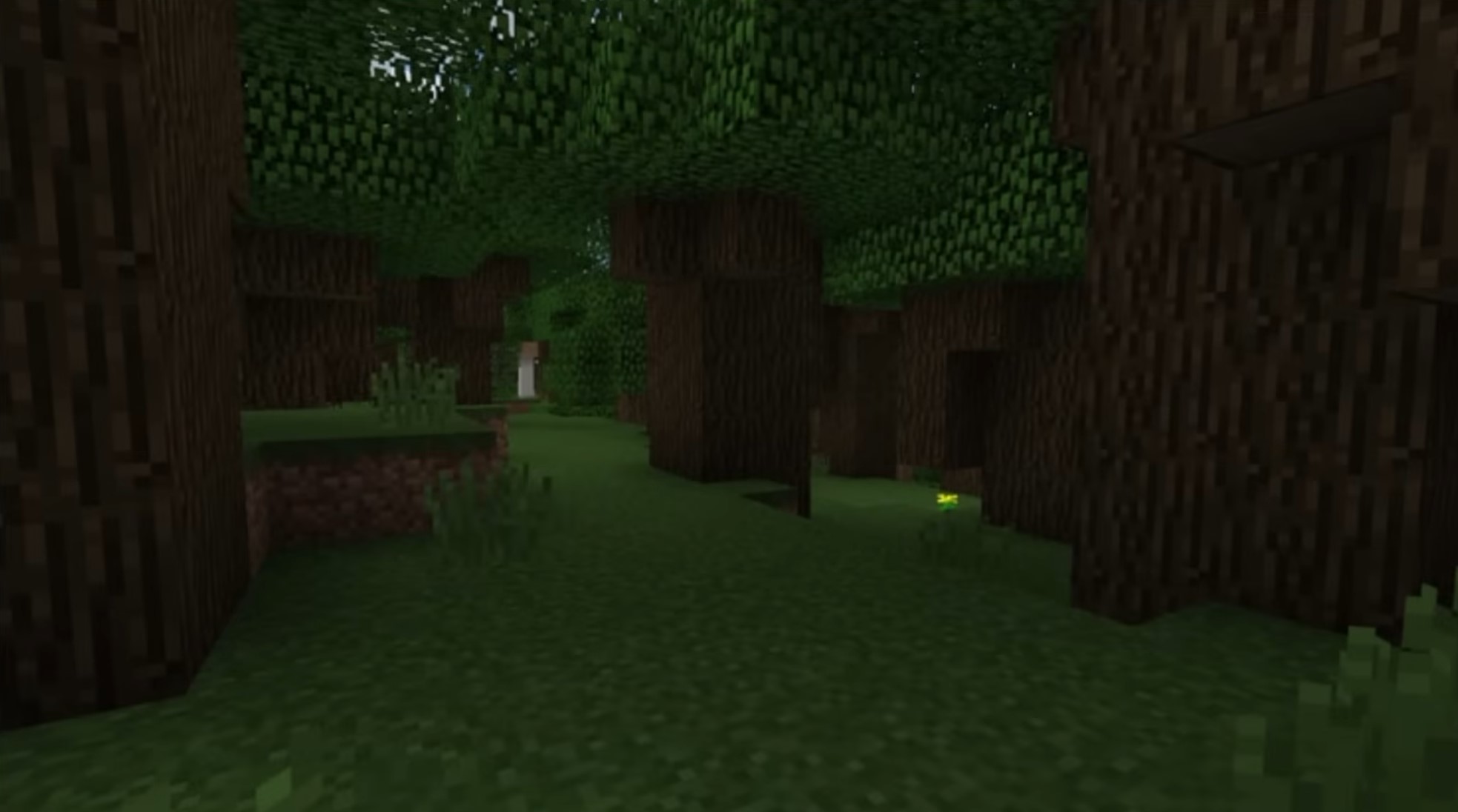
Dark Forests are dangerous because the canopy is thick enough to create deep shadows. Hostile mobs can be harder to spot, and the whole biome has a natural haunted-woods feeling. It looks great, but it is not a place to wander around carelessly on night one.
The main reason to search for a Dark Forest is the Woodland Mansion (there's an entire official page containing info on structures btw). These structures can contain Evokers, Vindicators, Allays in some rooms, and rare loot. A mansion raid can be rough without gear, but I think it’s fair to say that it is one of the most memorable Overworld adventures in the game. Dark oak is the other big reason to visit. The trees grow in thick 2x2 trunks, which makes wood gathering fast, and the block color is excellent for medieval fantasy builds.
Pale Garden has a very different mood. It is quiet, pale, gray, and tense rather than warm and cozy. It is a great pick for eerie builds and players who want a base that feels like there’s something slightly wrong with it in a good way.
Taiga, Snowy Taiga, and Old Growth Taiga
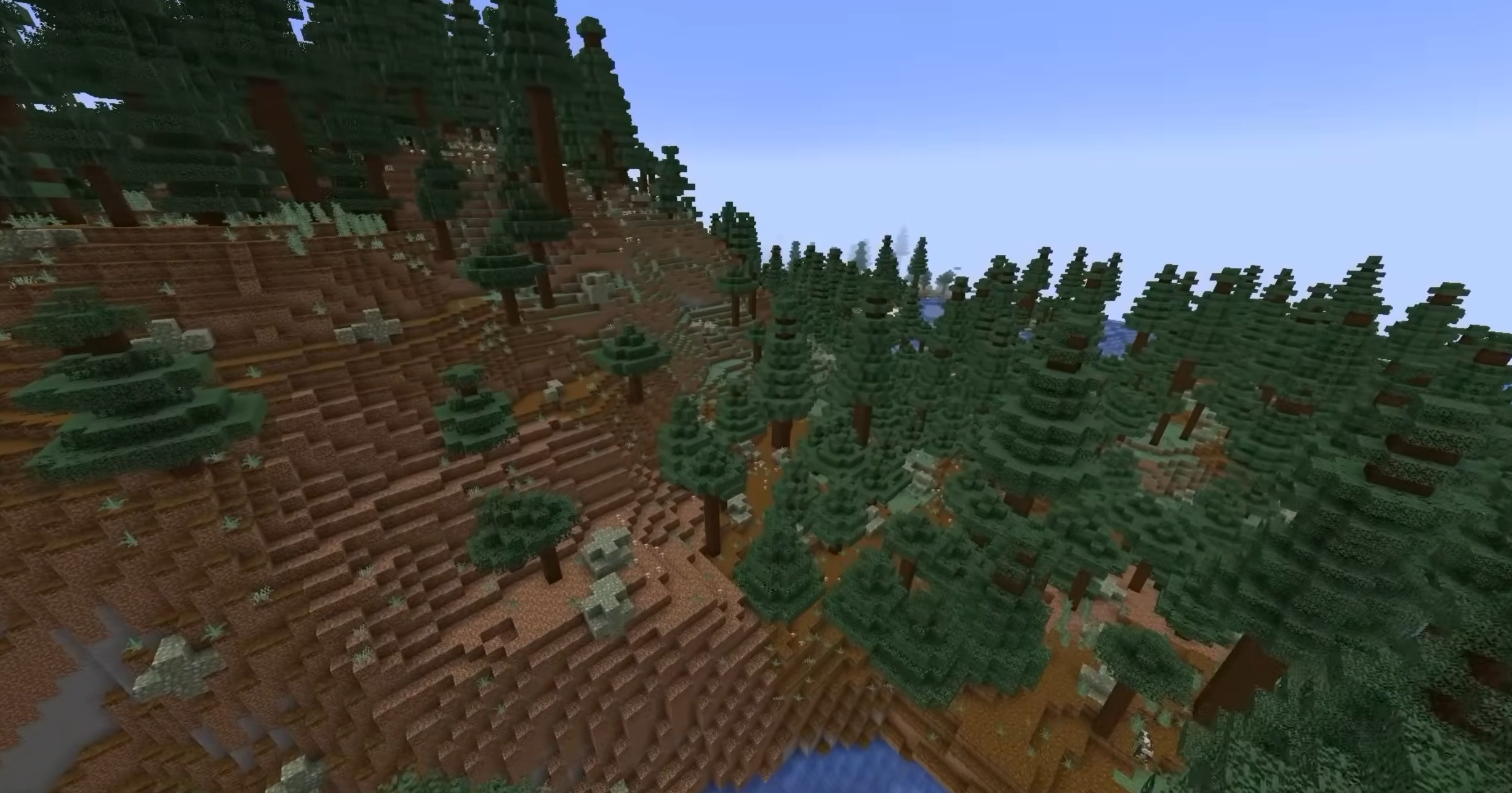
Taiga is one of the most practical forest biomes in Survival. Spruce trees are the main reason. A 2x2 spruce tree gives a huge amount of wood, which makes building, crafting, and charcoal production much easier. Sweet berries are useful early food, although walking into them while running from a skeleton never stops feeling personal. There are also some cool wild animals like wolves and foxes roaming around in this zone.
Snowy Taiga keeps the spruce identity but adds a colder look. Snow covers the ground, foxes and rabbits fit the setting, and villages can look especially cozy here. It is great for winter lodges and cabin builds. The main threat is nearby Strays in cold regions. These skeleton variants fire Slowness arrows, which make normal fights much worse. In snowstorms, visibility can also become annoying.
Old Growth Pine Taiga and Old Growth Spruce Taiga feel older and more dramatic. Giant spruce trees, mossy cobblestone, and dense terrain make them perfect for fantasy cabin builds. They are beautiful biomes, but they are also easy to get lost in if every direction looks the same.
Jungle, Sparse Jungle, and Bamboo Jungle
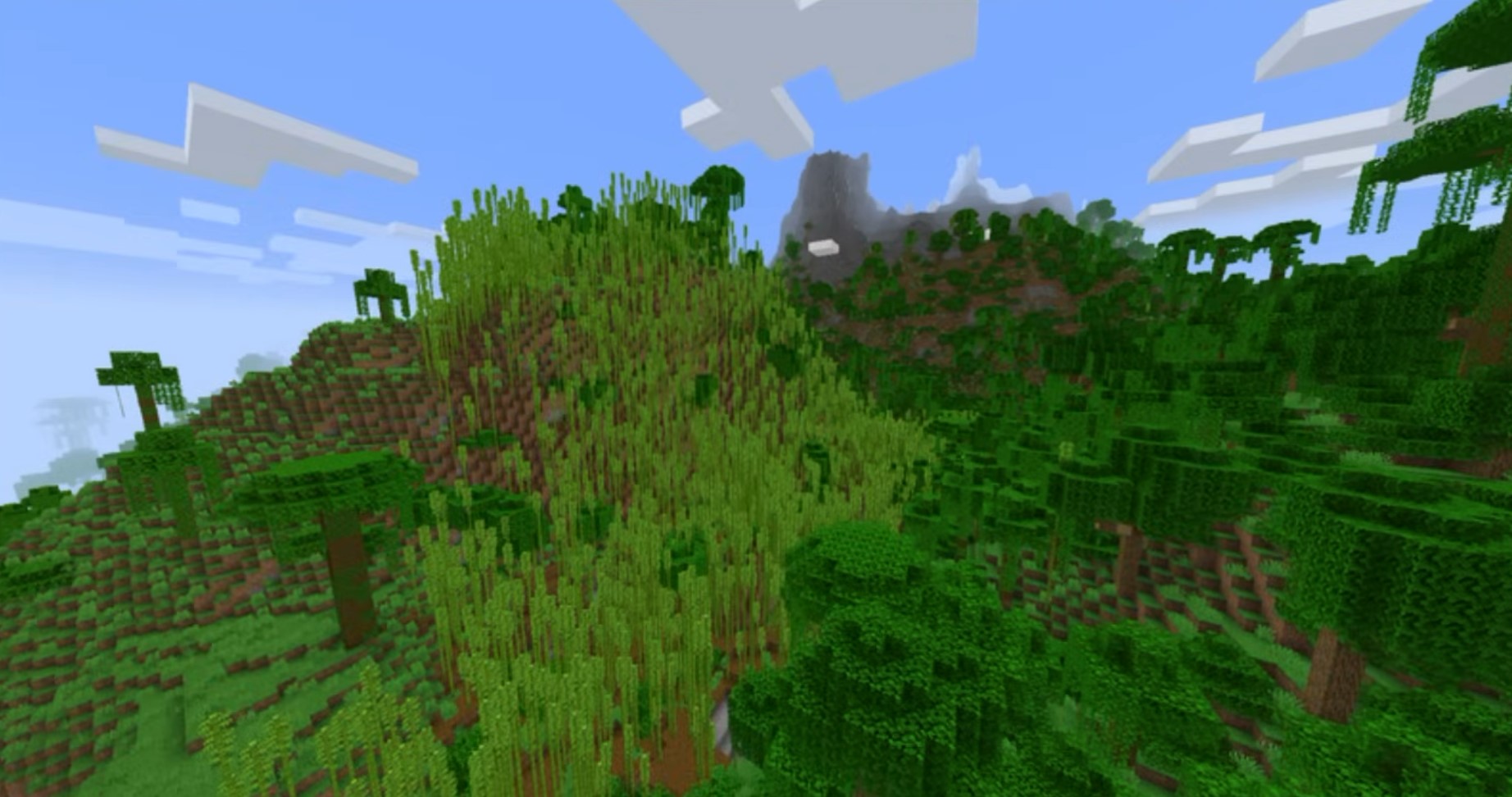
Jungles are loaded with edible resources, but they are also dangerous. It’s one of those biomes where a simple walk can turn into ten minutes of fighting the terrain and hidden mobs. Jungles can provide unique resources such as:
-
jungle wood
-
vines
-
cocoa beans
-
melons
Cocoa beans are needed for cookies and brown dye, and melons are useful for trades. Jungle Temples spawning here are also worth checking. They can contain redstone parts and the occasional chests that make the whole trip feel slightly less painful.
Sparse Jungle is easier to live in. It keeps the jungle feel without the same claustrophobic tree walls. Movement is smoother, visibility is better, and building does not require clearing half the Amazon jungle fauna first.
Bamboo Jungle is the main home of bamboo and pandas. Bamboo grows incredibly fast and is useful for scaffolding, sticks, fuel setups, and large farms. Pandas also spawn naturally here, which makes the biome important for mob collectors and anyone who simply wants a panda area near their base. Personally, I think that’s one of the best biomes to start your base.
Cherry Grove
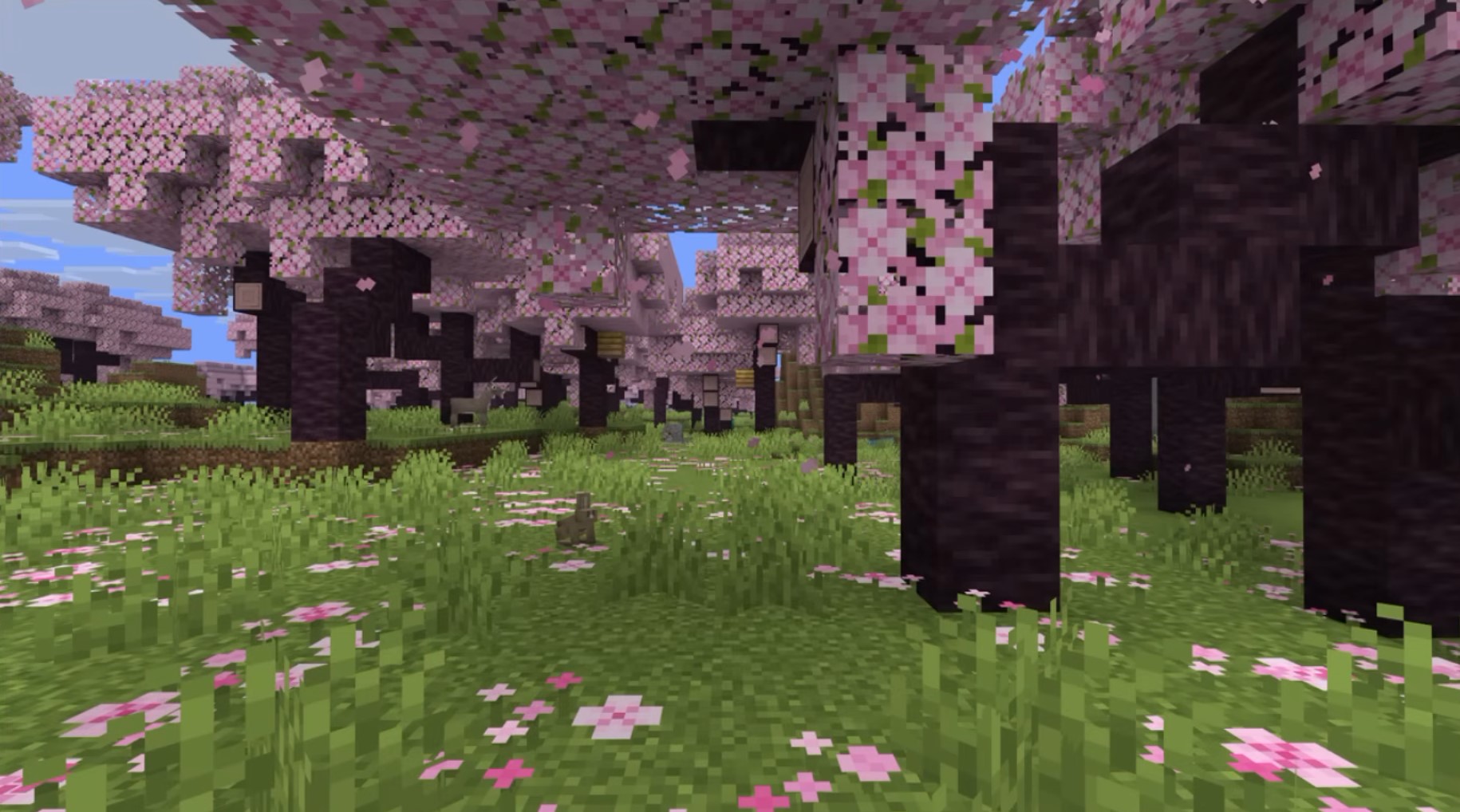
Cherry Grove is one of the prettiest biomes in Minecraft. Pink petals cover the ground, and the whole area feels ready for a cozy hilltop base or a decorative village without you having to do anything. Cherry wood gives builders a unique pink block palette. The biome also spawns passive mobs like sheep and pigs, and bees can appear around the flowers. The only problem is that everyone on a server usually wants to live there. Fair warning: if a Cherry Grove is close to spawn, it will not stay untouched for long.
Swamp and Mangrove Swamp
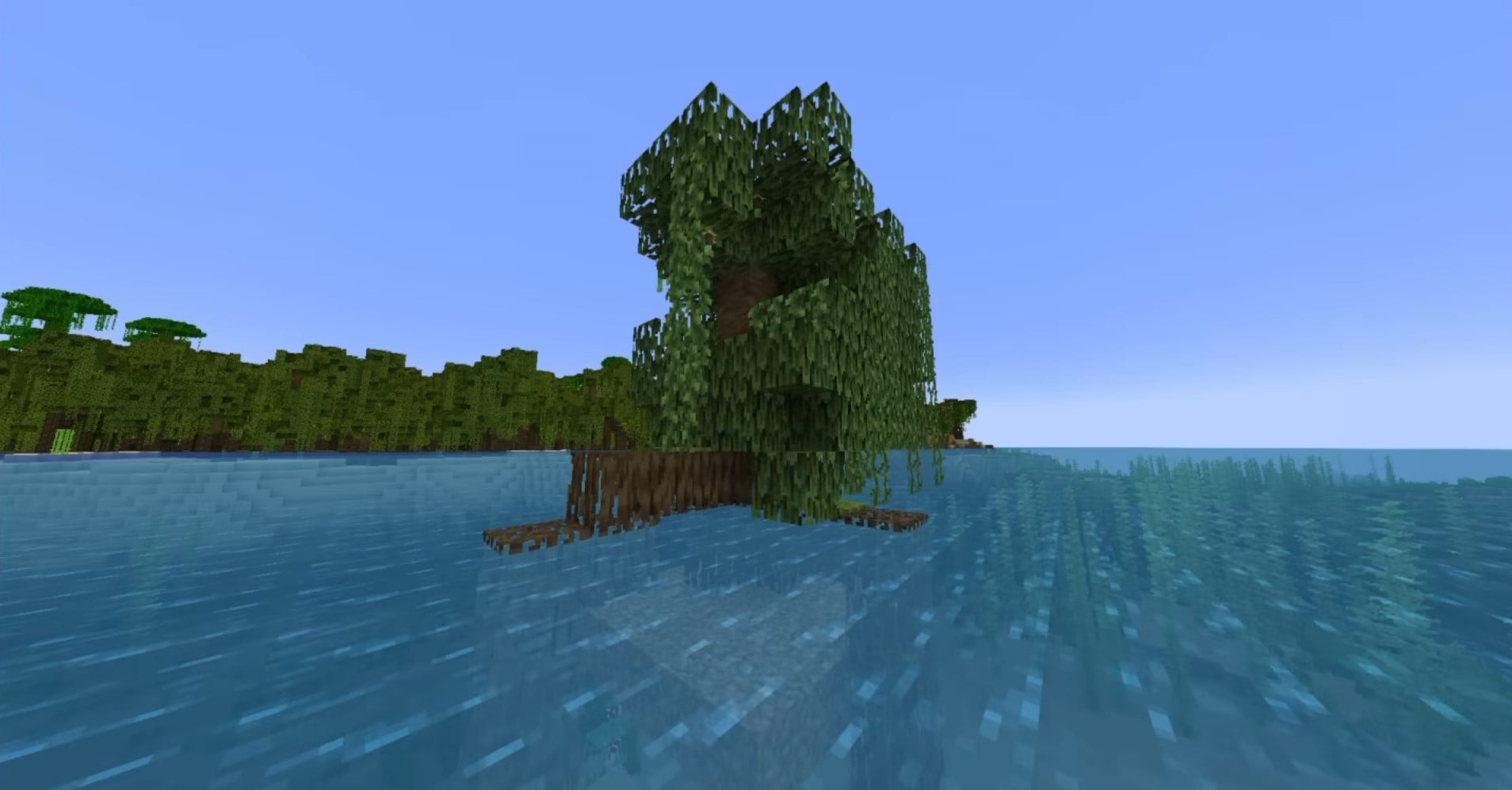
Swamps are messy, shallow, and surprisingly useful. They contain vines, lily pads, clay, mushrooms, blue orchids, and witch huts. Slimes can also spawn in swamps at night under the right moon phase, which helps with slimeballs before a proper slime chunk farm is built.
Witch huts are the long-term prize. A good witch farm can produce redstone, glowstone dust, gunpowder, sticks, spider eyes, sugar, and glass bottles. That gives Swamps real technical value, even if the terrain looks like it was designed to slow players down.
Mangrove Swamps are denser and more modern. They bring mangrove wood, mud, packed mud, muddy mangrove roots, frogs, and propagules. The terrain is harder to move through because roots and water break up the ground, but the building blocks are excellent.
Mangrove wood has a warm red tone, while mud and packed mud are great for rustic villages, swamp huts, and earthy builds. Frogs also matter because they can create froglights after eating small magma cubes.
Desert
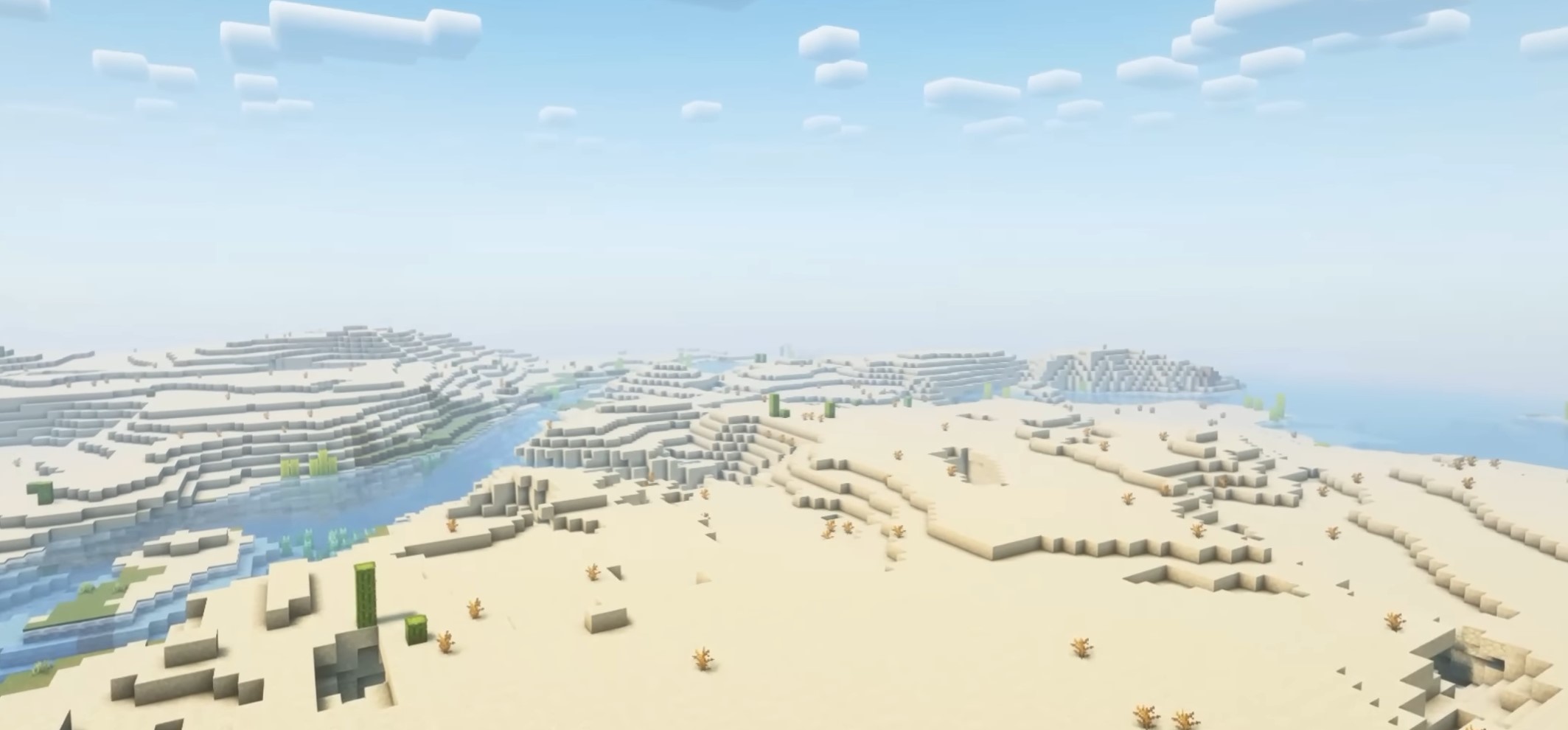
Deserts are open and resource-specific. Sand alone makes deserts worth marking because glass, TNT, concrete, and sandstone all eat through stacks super fast. The early-game issue is wood. A desert spawn can feel rough if there is no forest nearby. Food can also be limited without a village. Husks are another annoyance. They replace many normal zombies in deserts, do not burn in daylight, and can keep chasing after sunrise. That makes desert nights drag longer than expected.
Desert pyramids are also worth checking out in this area. They can contain loot, suspicious sand, TNT, and archaeology items. Just avoid digging straight down through the middle unless losing the entire loot room sounds funny. Another notable feature of the biome is camels, which are mountable and can carry two players at the same time.
Savanna, Savanna Plateau, and Windswept Savanna
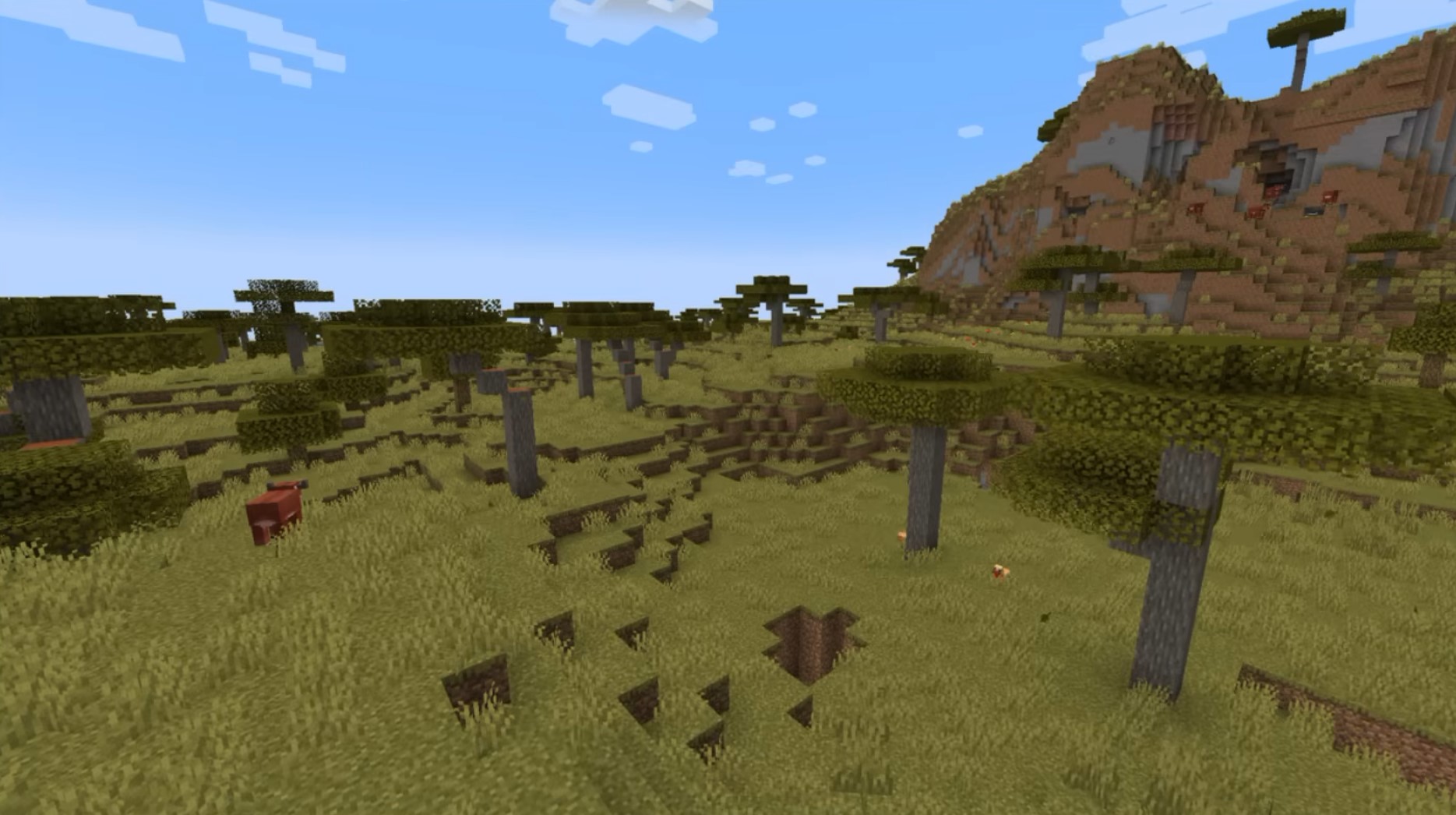
Savannas have unique acacia trees, horses, llamas, villages, and no rain. That makes them comfortable for players who want dry terrain but still need wood and food nearby. Acacia wood is a notable resource that has a bold orange color that works well in some builds or color combinations.
Savanna Plateau is basically the same deal, but it raises the terrain and gives the biome more vertical shape. It is less convenient for farms, but better for cliff bases and scenic builds.
Windswept Savanna is the chaotic version of the biome. Terrain can generate strange cliffs, sharp drops, and dramatic ledges. It is not always practical, but it can create some of the most memorable landscapes in the Overworld(I don’t like to think about all the times I fell to my death here).
Badlands, Wooded Badlands, and Eroded Badlands
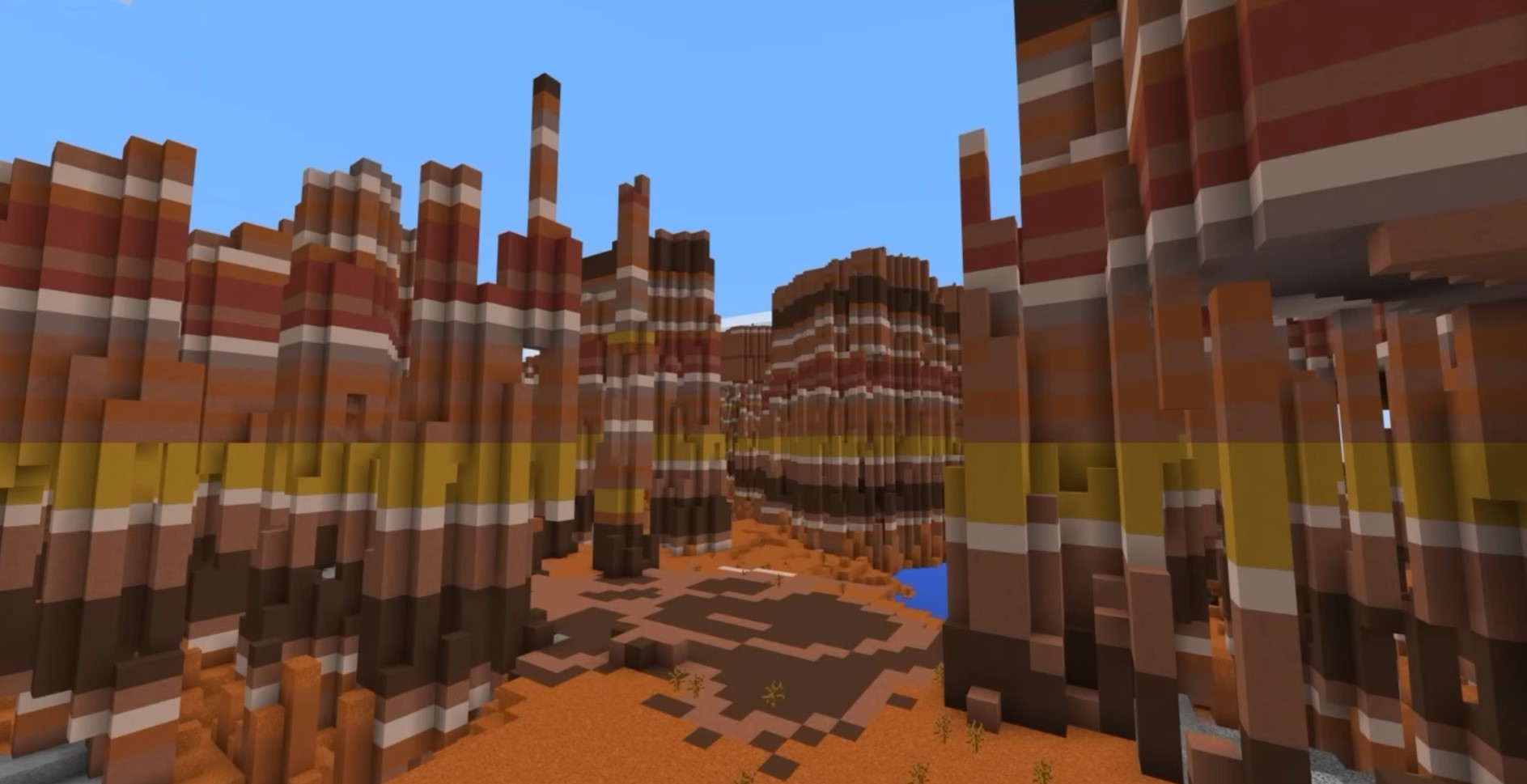
Badlands is the terracotta biome. They provide large amounts of terracotta, red sand, and exposed mineshafts, making it one of the most notable builder biomes in the game. Gold ore is also more common in Badlands than in most Overworld biomes. That gives the biome extra mining value, especially early on when gold is especially useful.
Exposed mineshafts are another major feature. They can appear across the surface and along cliffs, making it easier to find rails and minecart chests containing early loot.
Wooded Badlands are more livable because they add trees to the terrain. That one change matters a lot; Wooded Badlands can support long-term bases much more comfortably.
Eroded Badlands generate tall terracotta spires and dramatic canyon shapes. They are not easy to traverse, but you can get some useful resources and potentially build a cool mining outpost here.
Snowy Plains and Ice Spikes
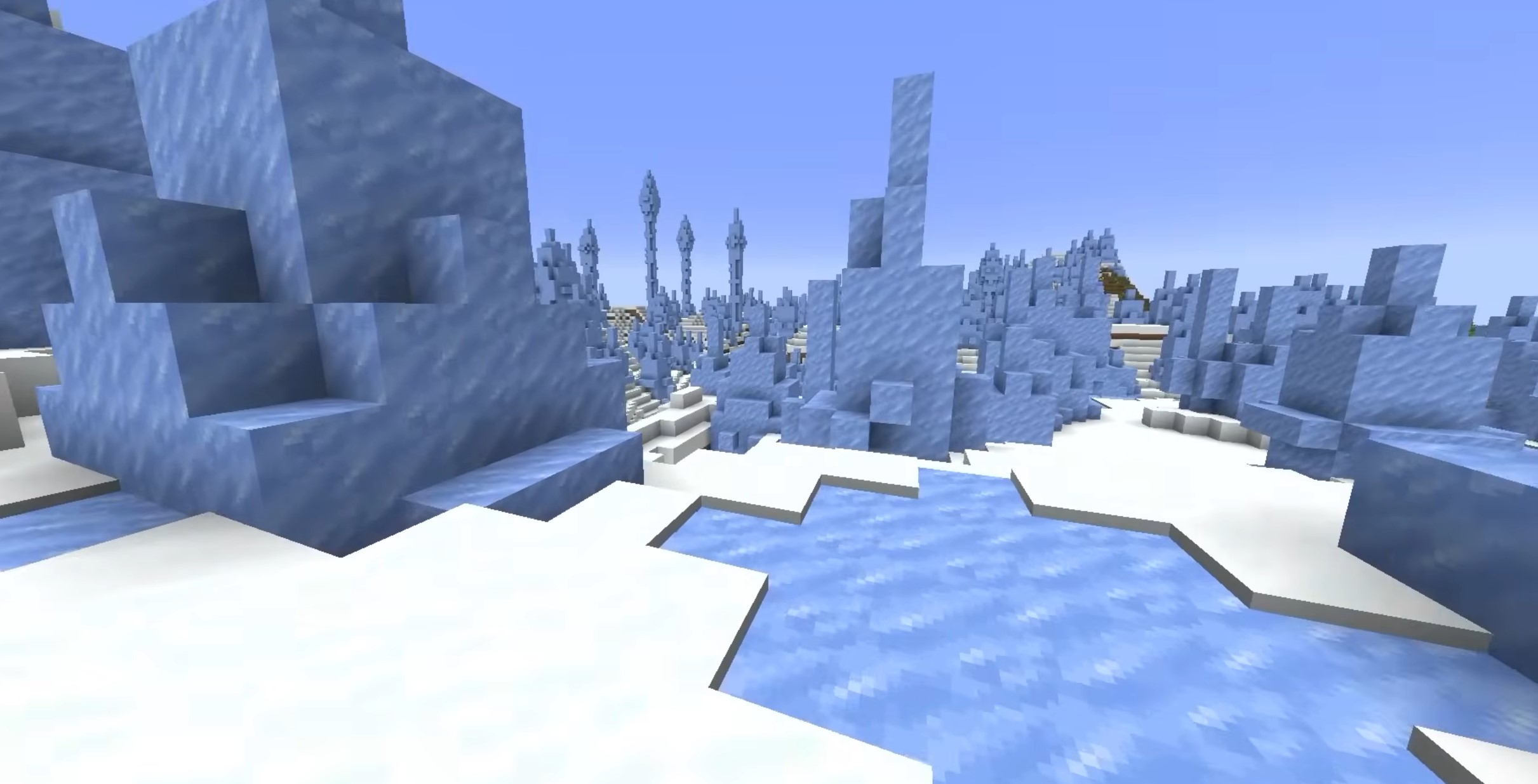
Snowy Plains are cold, open, and harsher than normal Plains. Villages and igloos can appear, which gives the biome real early-game value.
Igloos are especially worth checking. Some contain hidden basements with a brewing stand, a potion, a golden apple, a villager, and a zombie villager. That setup teaches zombie villager curing in the most Minecraft way possible: by hiding a tiny science lab under a snow hut.
Ice Spikes are the dramatic version of snowy terrain. Huge packed ice towers rise from the ground, making the biome look like a frozen city skyline. Packed ice does not melt near torches, which makes it useful for Nether highways and fast travel builds. Ice Spikes are slippery, though, making traveling hard at times. It looks incredible, but living there takes patience.
Ocean, River, and Shore Biomes
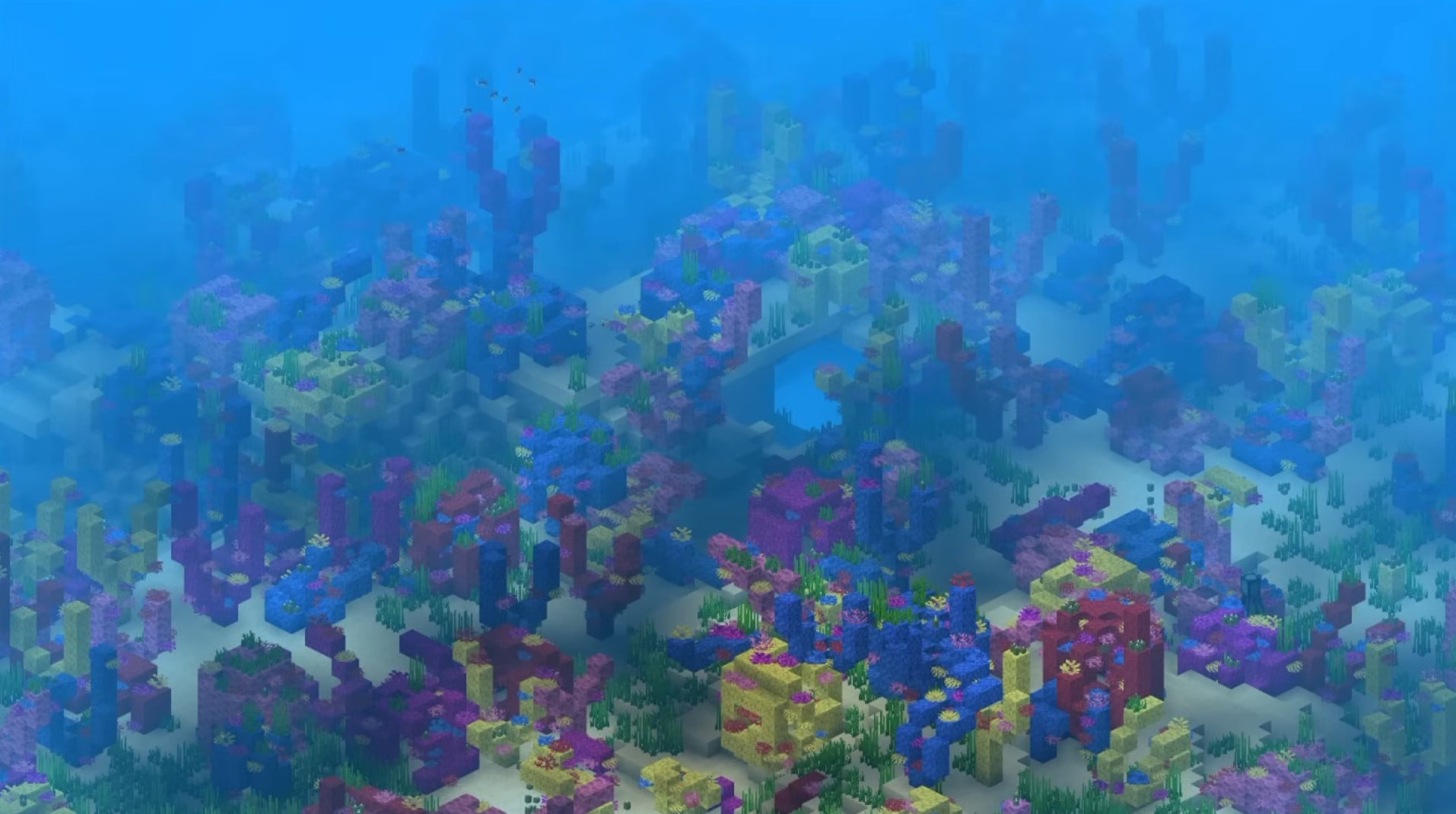
Minecraft’s Oceans are not empty space. They contain shipwrecks, ocean ruins, buried treasures, and unique fauna. Normal Oceans and Deep Oceans are useful for travel and monument hunting. Ocean monuments are important for prismarine, sea lanterns, and guardian farms. Cold Ocean and Frozen Ocean variants add colder visuals, icebergs, and rougher movement.
Warm Oceans are the best just for colorful vibes. They are perfect for tropical bases, aquarium builds, and decorative block collection.
Rivers are small but important. They provide clay, sugar cane, salmon, easy travel lanes, and natural borders for bases. Frozen Rivers connect cold regions and add ice to the mix.
Beaches are simple transition zones between land and sea. Their unique spawns are turtles, buried treasures, and sand. Snowy Beaches and Stony Shores are more niche, but both work well for themed builds.
Mushroom Fields usually generate as isolated islands. They are rare, safe, and strange. Hostile mobs do not normally spawn there, Mooshroom cows provide you with unlimited mushroom stew, and mycelium gives the whole island a unique look. It is one of the few places where a player can relax without checking behind every block for a creeper and the look is super unique.
Meadow, Grove, and Snowy Slopes
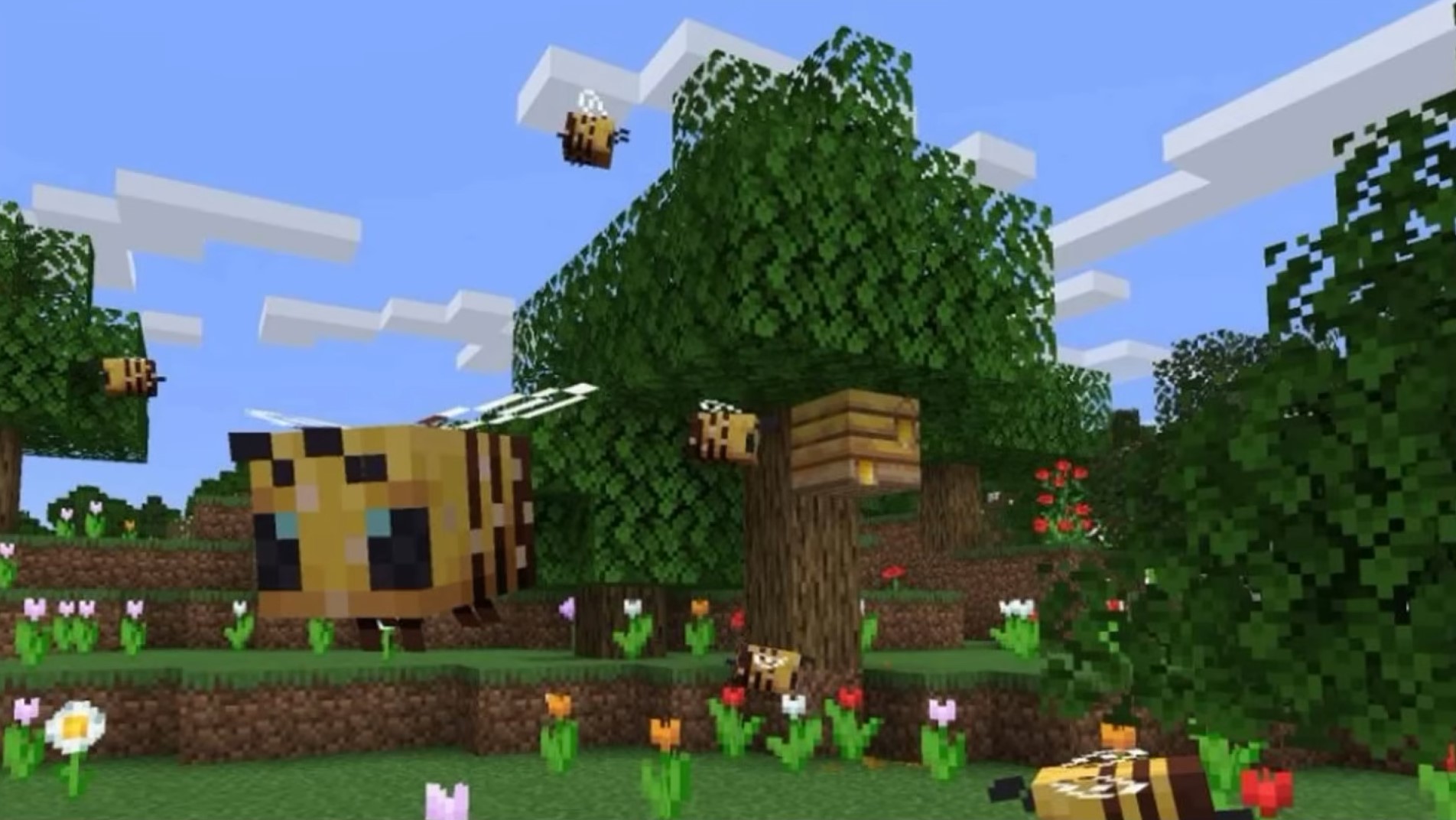
Meadows are mountain-adjacent grasslands filled with similar resources as plains. They often sit near high elevations, which makes them great for scenic alpine bases. Meadows also feel more peaceful than harsher mountain biomes. They have enough open space for building, but still keep the dramatic backdrop of nearby peaks. For a Survival base that looks good without much work, Meadow is a very comfortable pick.
Groves are on snowy forest slopes. They usually contain spruce trees, snow, powder snow, rabbits, wolves, and foxes. They work well for alpine lodges and winter paths, but powder snow is a real hazard without leather boots.
Snowy Slopes are more vertical and dangerous. They connect mountain terrain with peak biomes and create great snow-base locations. Fall damage and powder snow are the main problems, so Feather Falling and leather boots help a lot.
Jagged Peaks, Frozen Peaks, and Stony Peaks
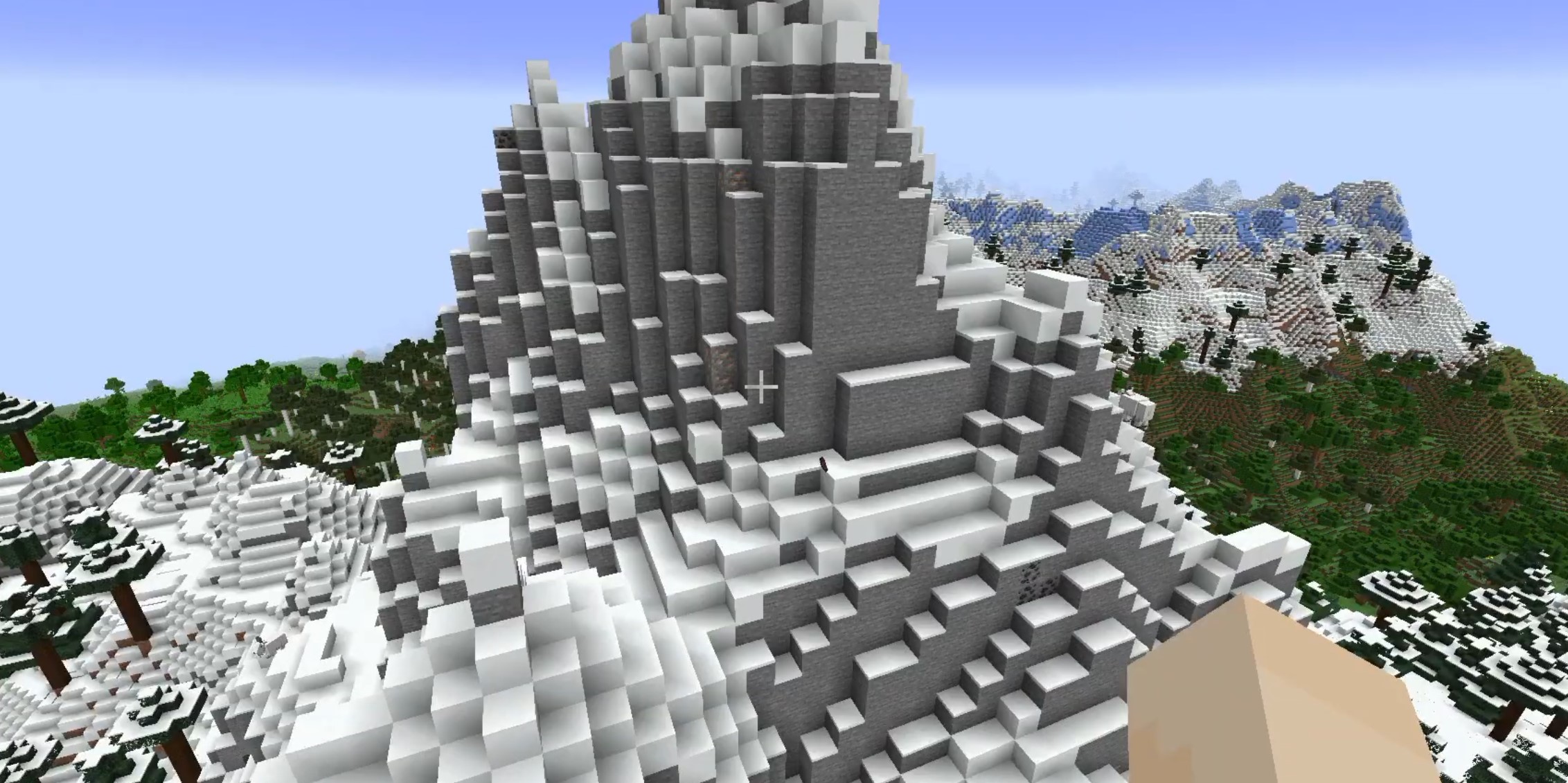
Jagged Peaks are vertical mountain biomes made mostly of stone and snow. They look incredible from a distance and create some of the best screenshot locations in the game. They are also easy to fall off to death. Wood is scarce, food is limited, and fall damage is always one mistake away. Goats can also spawn in mountain areas, and getting shoved near a cliff goes exactly as you’d expect.
Frozen Peaks are colder and icier. They lean harder into ice theme, making movement even harder and riskier. They are the worst for beginner bases; you literally have to survive there.
Stony Peaks are the most practical of the bunch. They remove most of the freezing issues, and you can focus on mining exposed ores and stone. For players who want an elevated mountain base without constant snow problems, Stony Peaks are usually easier to work with.
Lush Caves
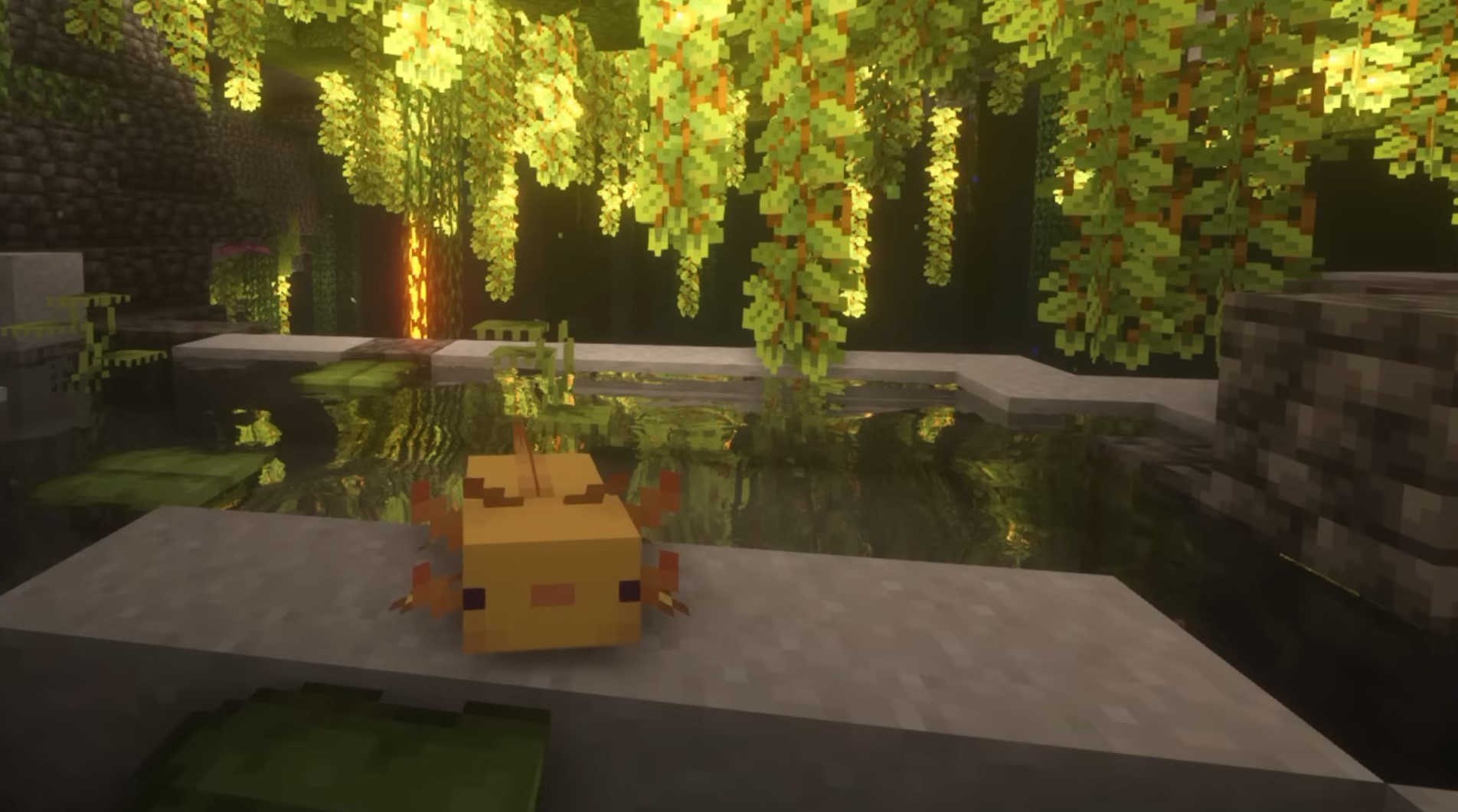
Lush Caves are the friendly-looking cave biomes. They are all about mossy blocks, clay, tropical fish, cave-themed fauna, and axolotls. Azalea trees on the surface can mark a Lush Cave below. That makes them easier to find if players know the sign. Dig under an azalea tree, and there is a good chance the cave turns green eventually.
Glow berries spawning here provide both light and emergency food. Moss is great for decoration and bone meal farms. Clay is useful for bricks and terracotta. Axolotls are also found here, which makes Lush Caves one of the better underground biomes for mob collectors. They still need torches, though. A Lush Cave looks peaceful until a skeleton fires from a dark corner and ruins the whole fairy-tale mood. If you’re a caveman lifestyle enjoyer like me, Lush Caves can be a cool and distinctive biome.
Dripstone Caves
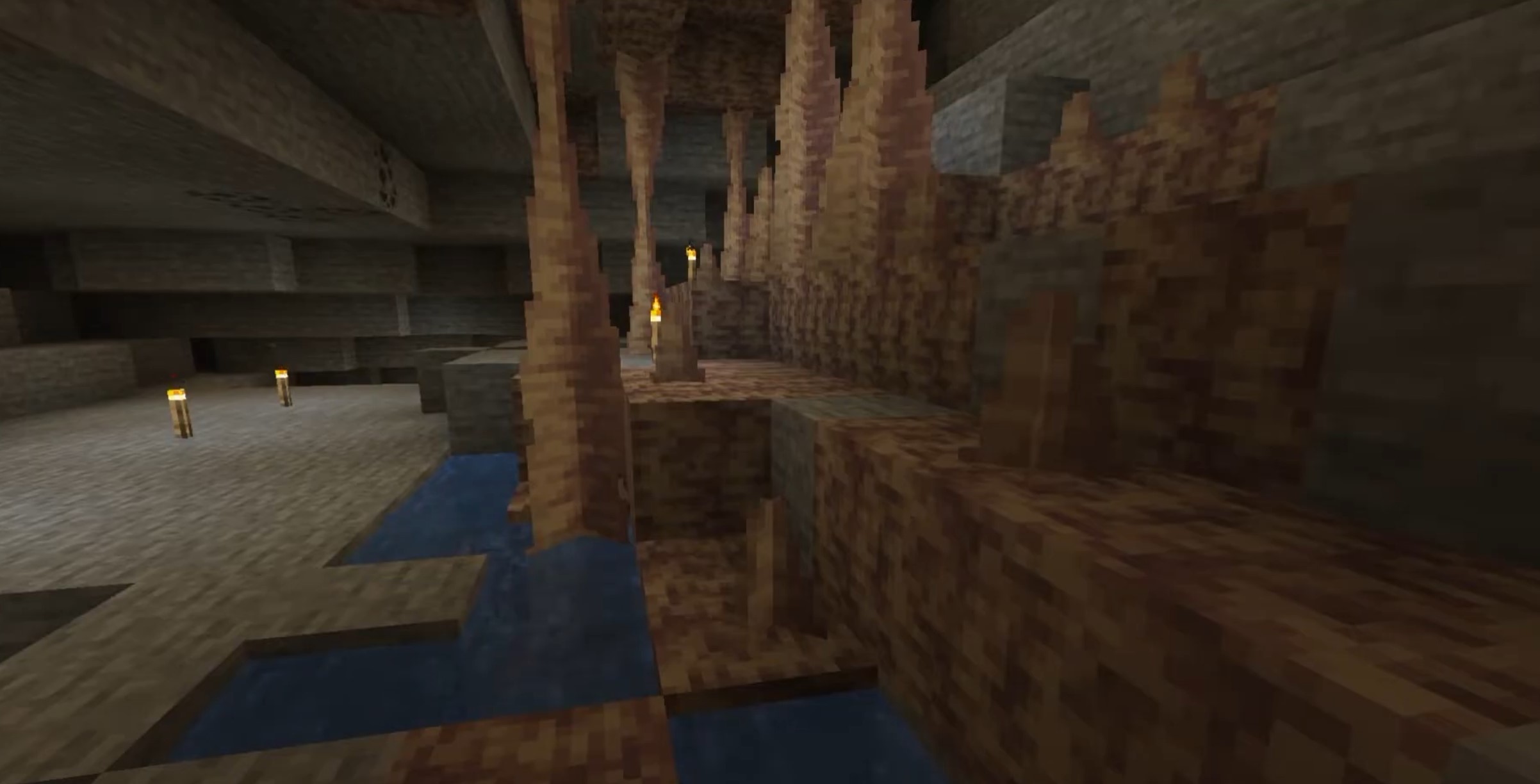
Dripstone Caves is a dangerous biome. It contains dripstone blocks and pointed dripstone, which can hurt players from falls or falling stalactites. The terrain often generates tall caverns, thin ledges, and awkward drops. The main resource of this biome is pointed dripstone. It can be used with cauldrons to farm lava, which is extremely useful for smelting. Renewable lava turns super smelters and fuel storage into much easier projects. Dripstone also works well for cave builds, dungeon designs, and rough underground decoration. Just watch the floor and ceiling. This biome punishes both bad movement and bad luck.
Deep Dark
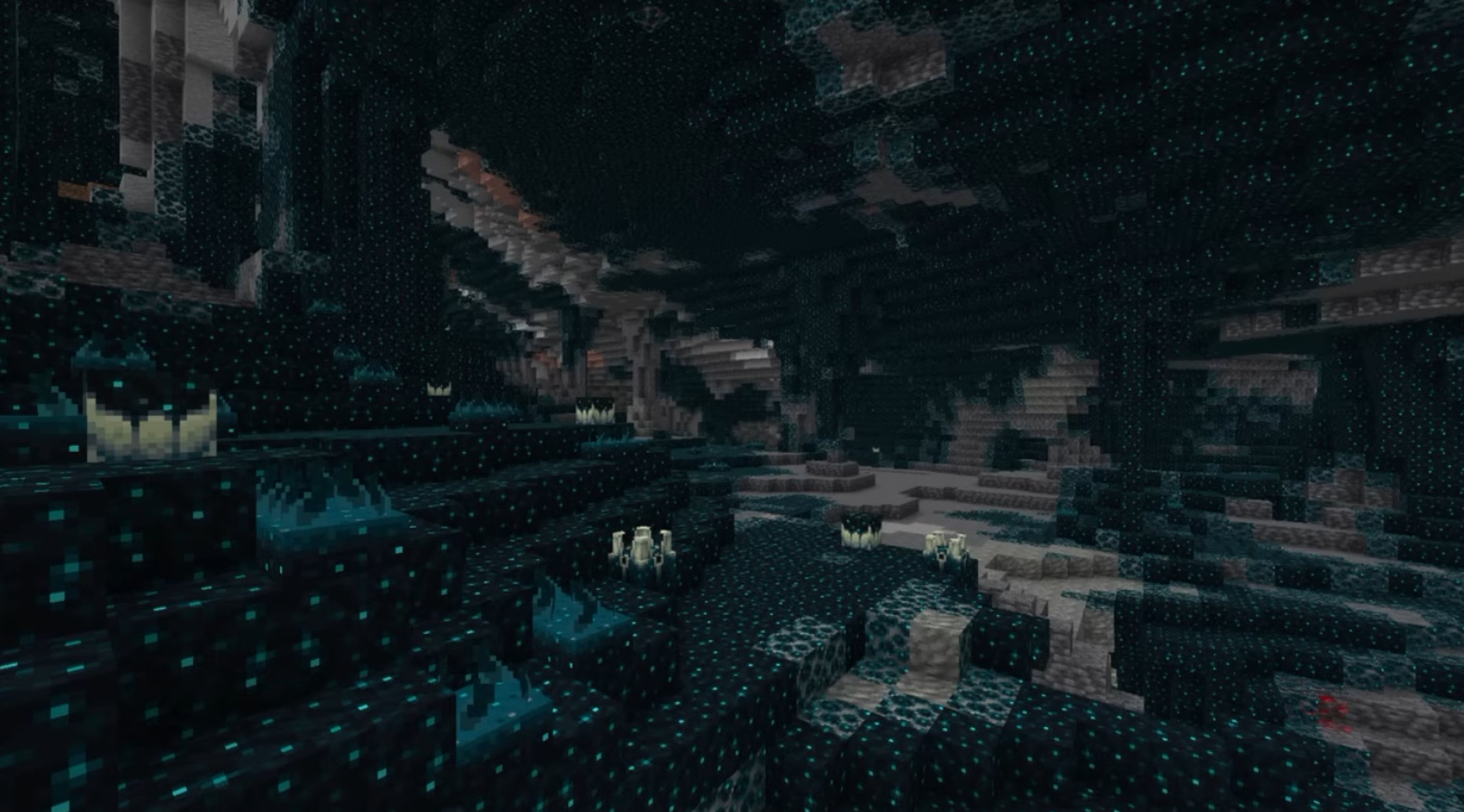
Deep Dark is Minecraft’s underground, which contains Ancient Cities and all things sculk - blocks, sensors, shriekers. It is also tied to the Warden, which is not a boss to casually fight.
The danger comes from sound. Walking, mining, placing blocks, even eating, can all trigger sculk systems. Sneaking helps, and wool can block vibrations, so wool blocks are one of the most useful tools for Ancient City runs. The loot makes the risk worth considering. Cities can contain a bunch of useful stuff:
-
armor trims
-
enchanted books
-
echo shards
-
disc fragments
-
Swift Sneak books
-
other rare loot.
A proper Deep Dark run should include meticulous preparation - take with you wool, food, night vision, and a lot of patience. Loot quietly, move slowly, and leave before Warden gets you.
Nether Wastes
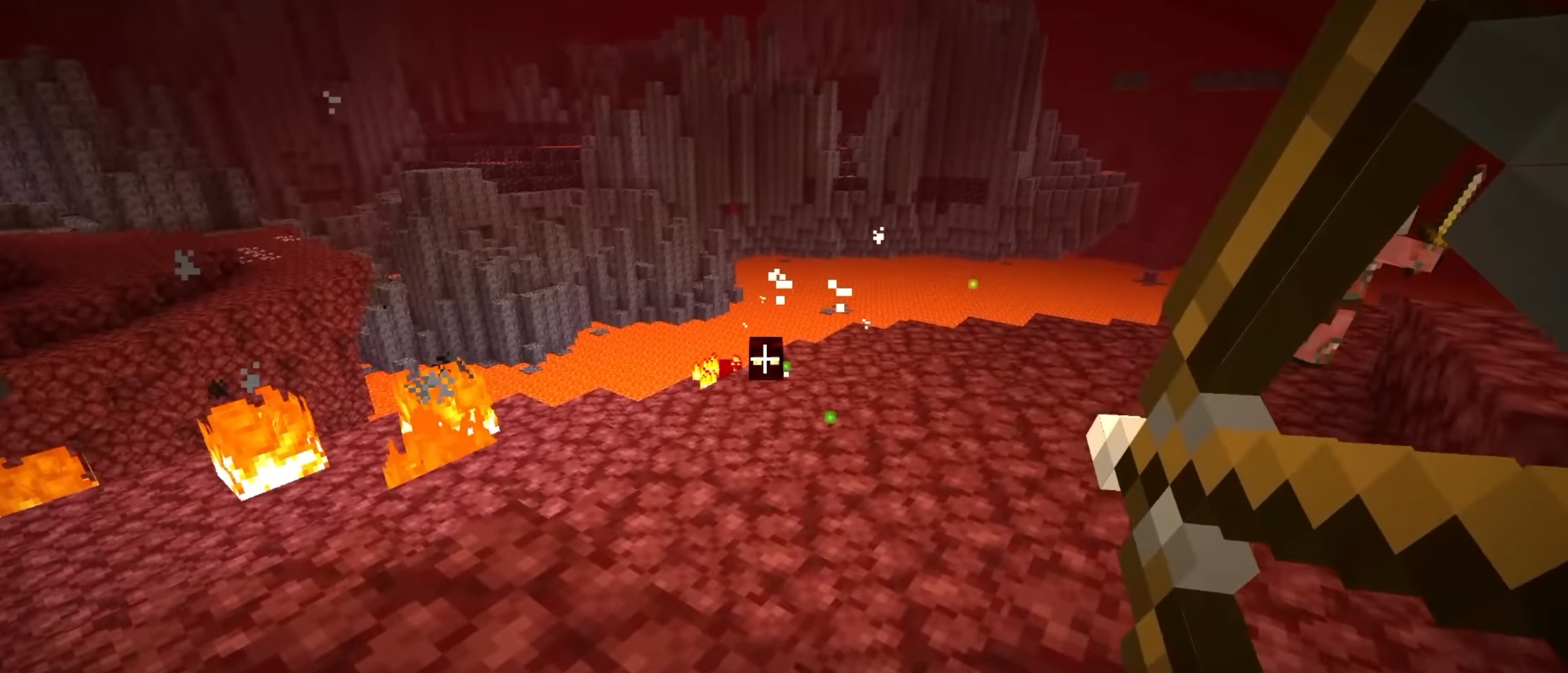
Nether Wastes are the classic Nether biome. The terrain blocks consist mostly of netherrack, lava, glowstone, and gravel patches. Zombified piglins, ghasts, magma cubes, and other Nether threats can appear here.
Compared with other Nether biomes, Nether Wastes are relatively easier to travel through. The terrain is more open than Basalt Deltas and less movement-heavy than Soul Sand Valley. That makes it a common place for early Nether tunnels, quartz mining, and fortress hunting. It is still Nether, though. Lava pockets and ghast fireballs can end your trip quickly.
Crimson Forest

Crimson Forests are visually distinct and loud, plus dangerous to boot. You get all kinds of crimson flora, as well as mobs in piglins, hoglins, and zombified piglins.
The biome lets players farm Nether wood, which is huge because it does not burn. It also provides food through hoglins, making it one of the few Nether regions where players can gather meat without returning home. They’re aggressive, though, so you’ll have to deal with them first. Piglins require gold armor to stay neutral, and hoglins hit hard.
Warped Forest
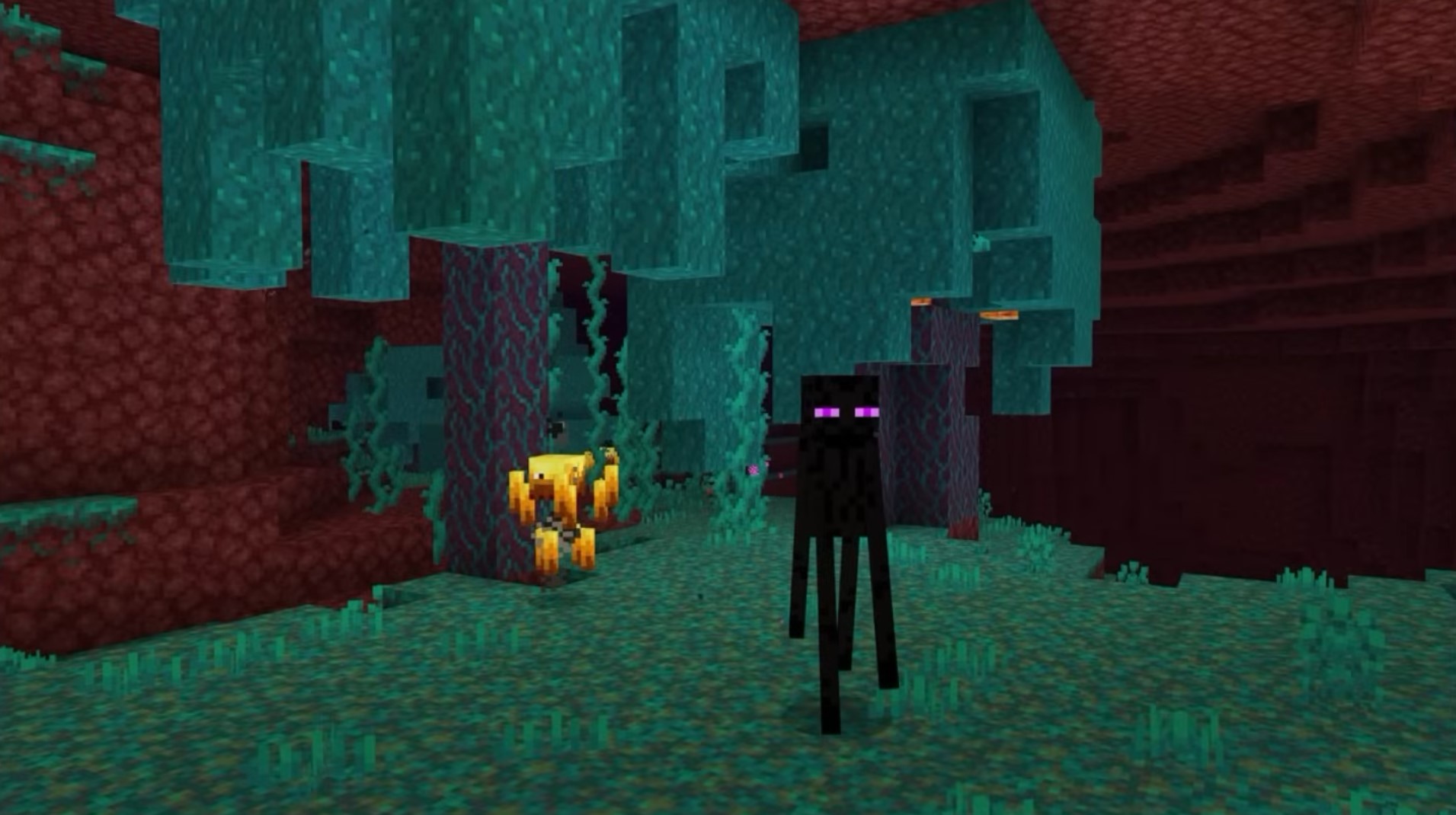
Warped Forests are the calmer Nether forest. They contain warped plants as well as Endermen. Hoglins avoid warped fungus, which makes the biome easier to control.
This is one of the best places to collect Ender Pearls before reaching the End. Endermen are common here, and the terrain is usually pretty tame compared to how other Nether biomes tend to generate. Warped Forests are also good Nether base locations. The color palette is unique, the hostile mobs harass you less, and warped wood gives builders a cool cyan-green block set.
Soul Sand Valley
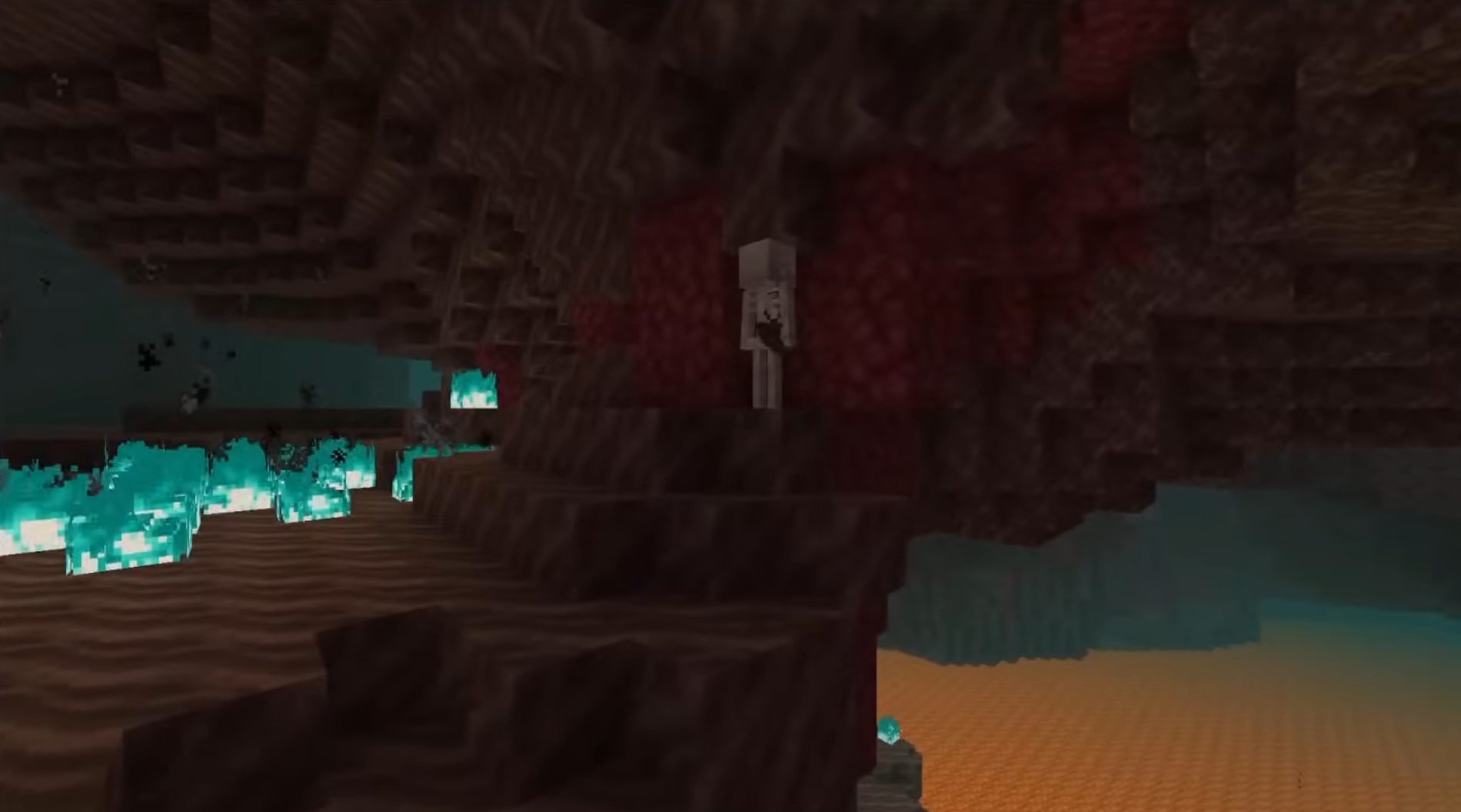
Soul Sand Valley is dangerous because it slows movement and keeps sightlines open for ghasts and skeletons. The area is valuable due to its unique resource lineup, here you can find:
-
Soul sand
-
Soul soil
-
Basalt pillar
-
Bone blocks
-
Nether fossils
Without Soul Speed boots, crossing this biome can feel awful. Skeletons shoot from a distance, ghosts float over you, and the ground itself(or rather lack of it) makes things harder. It is one of those places where a shield and ranged weapon feel mandatory. Here’s my article on best enchantments, btw.
That said, I think you still should farm out the biome whenever you can. Bone blocks are useful for bone meal, soul sand, and soul soil matter for builds and farms, and the atmosphere is unmatched if you want to settle down here.
Basalt Deltas
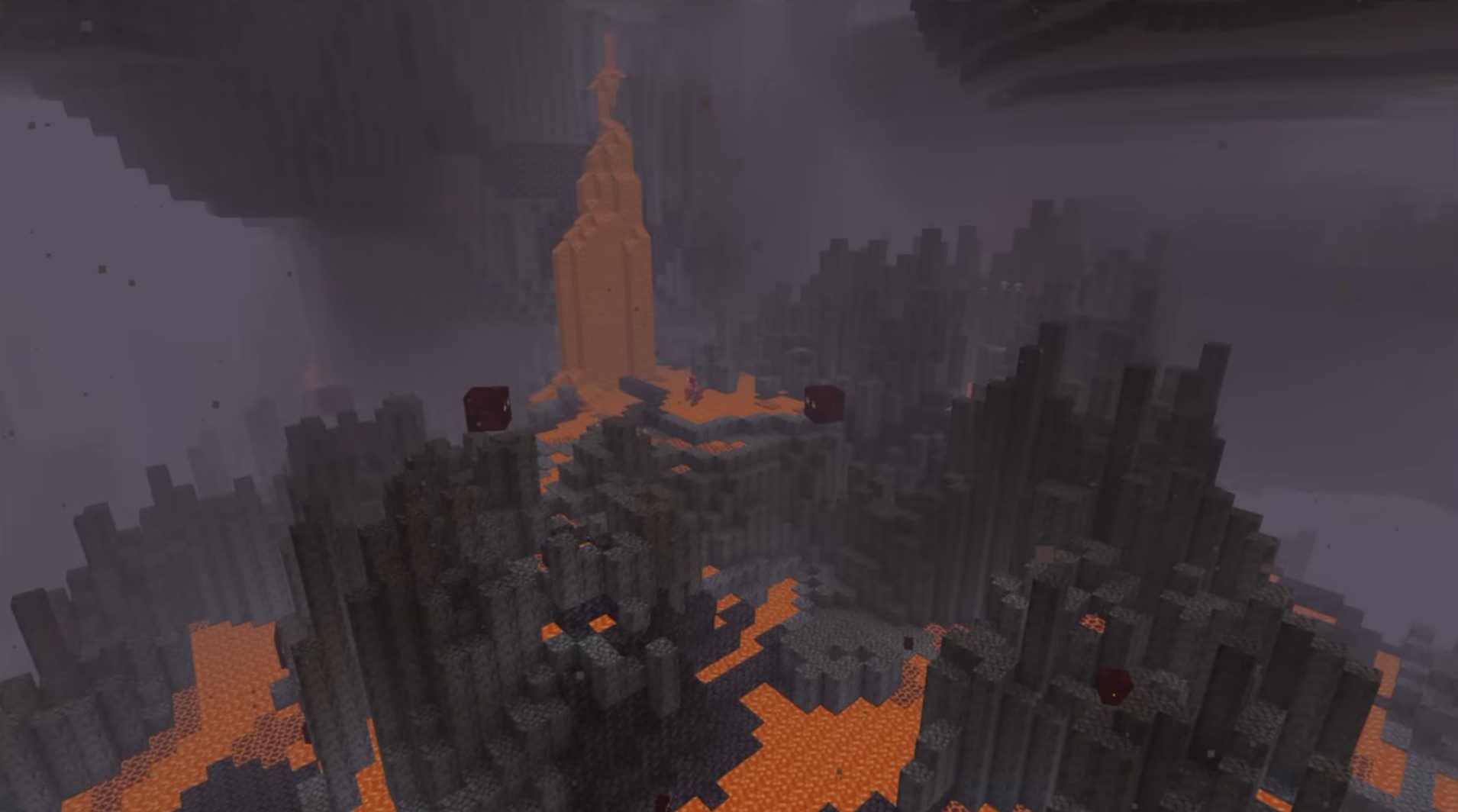
Going from the tamer regions, Basalt Deltas are one of the harshest Nether biomes to cross. Blackstone, lava pockets, magma cubes, ash particles, and broken terrain make movement slow and risky. The biome is mainly useful for basalt and blackstone. Both blocks are excellent for dark builds; Blackstone also works as a cobblestone alternative for many recipes.
The End and Outer End Biomes
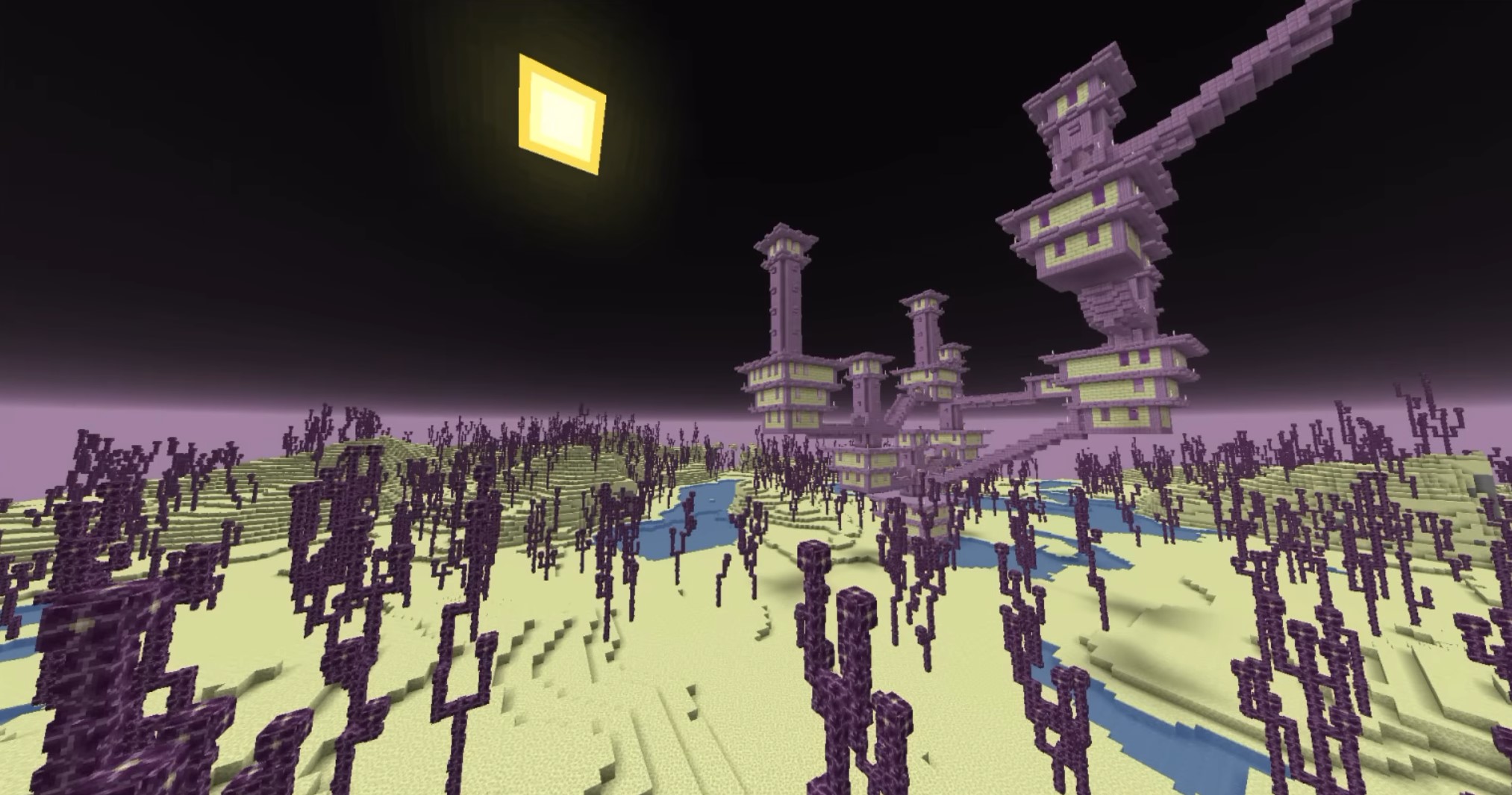
The End starts with the central dragon island. This is the iconic place where players fight the Ender Dragon, destroy End Crystals, and unlock access to the outer islands:
-
Small End Islands are generated between larger landmasses. They are mostly travel hazards because falling into the void is the real threat here.
-
End Midlands make up the common outer island terrain. They help connect islands but are not the main target for loot.
-
End Highlands are the important ones. End Cities and chorus trees generate there, making them essential for Elytra, shulker shells, dragon heads, and high-end loot.
-
End Barrens form the outer edges of End islands. They are steep, empty, and dangerous. Their main role is shaping the islands and making travel more stressful than it needs to be.
Biomes by Useful Resources
Different biomes are valued for their resources. A good Survival world usually has a main base, then saved coordinates for important biome resources.
|
Resource Goal |
Biomes to Search |
|
Animals |
Plains, Sunflower Plains, Savanna, Meadow |
|
Lots of wood |
Forest, Taiga, Old Growth Taiga, Dark Forest, Jungle |
|
Decorative flowers and bees |
Flower Forest, Meadow, Cherry Grove, Sunflower Plains |
|
Bamboo and pandas |
Bamboo Jungle |
|
Cocoa beans and melons |
Jungle, Sparse Jungle |
|
Mud and mangrove wood |
Mangrove Swamp |
|
Slime |
Swamp |
|
Terracotta and red sand |
Badlands, Wooded Badlands, Eroded Badlands |
|
Sand and sandstone |
Desert, Beach |
|
Coral and tropical fish |
Warm Ocean |
|
Prismarine and sponges |
Deep Ocean variants |
|
Packed ice and blue ice |
Ice Spikes, Frozen Ocean |
|
Sculk and Ancient City loot |
Deep Dark |
|
Dripstone |
Dripstone Caves |
|
Moss, clay, and axolotls |
Lush Caves |
|
Sulfur and cinnabar blocks |
Sulfur Caves |
|
Nether wood |
Crimson Forest, Warped Forest |
|
Ender Pearls |
Warped Forest, End biomes |
|
Elytra and shulker shells |
End Highlands |
This kind of coordinate planning saves hours later. It is much easier to mark a biome when found than to search again when your build suddenly needs stacks of specific blocks.
How to Find Biomes Faster
Biome hunting is easier when players follow climate logic:
-
Warm areas often connect to deserts, savannas, jungles, mangrove swamps, and badlands.
-
Cold areas lead toward snowy plains, frozen oceans, groves, snowy slopes, and icy peaks.
-
Mountain ranges can connect into meadows, cherry groves, jagged peaks, and stony peaks.
Boats are the easiest early exploration tool because oceans and rivers connect huge parts of the map. Later, Nether roof travel, Elytra, horses, and locator maps make biome hunting much faster.
Commands are the fastest direct method when cheats are enabled. Java uses biome IDs with the locate command, and biomes have ID names like badlands, cherry_grove, deep_dark, and pale_garden.