
Rocket League Cars Tier List TL;DR
-
Fennec is the best Rocket League car because its blocky body represents the Octane hitbox extremely well.
-
Octane remains the best free car and the safest competitive recommendation for beginners.
-
Dominus is the top pick for power shots, flicks, and players who prefer a longer, flatter body.
-
Dingo is the best Octane-hitbox alternative when I want something between the Fennec and Octane visually.
-
Breakout and the 2016 Batmobile are excellent specialist cars, but they require more precise movement from their player.
-
Bodies sharing the same hitbox perform identically. The difference comes from how their visible models line up with that invisible shape.
Struggling in your current rank? You can get Rocket League Rank boost at Playhub and play in any rank you want without unnecessary grind.
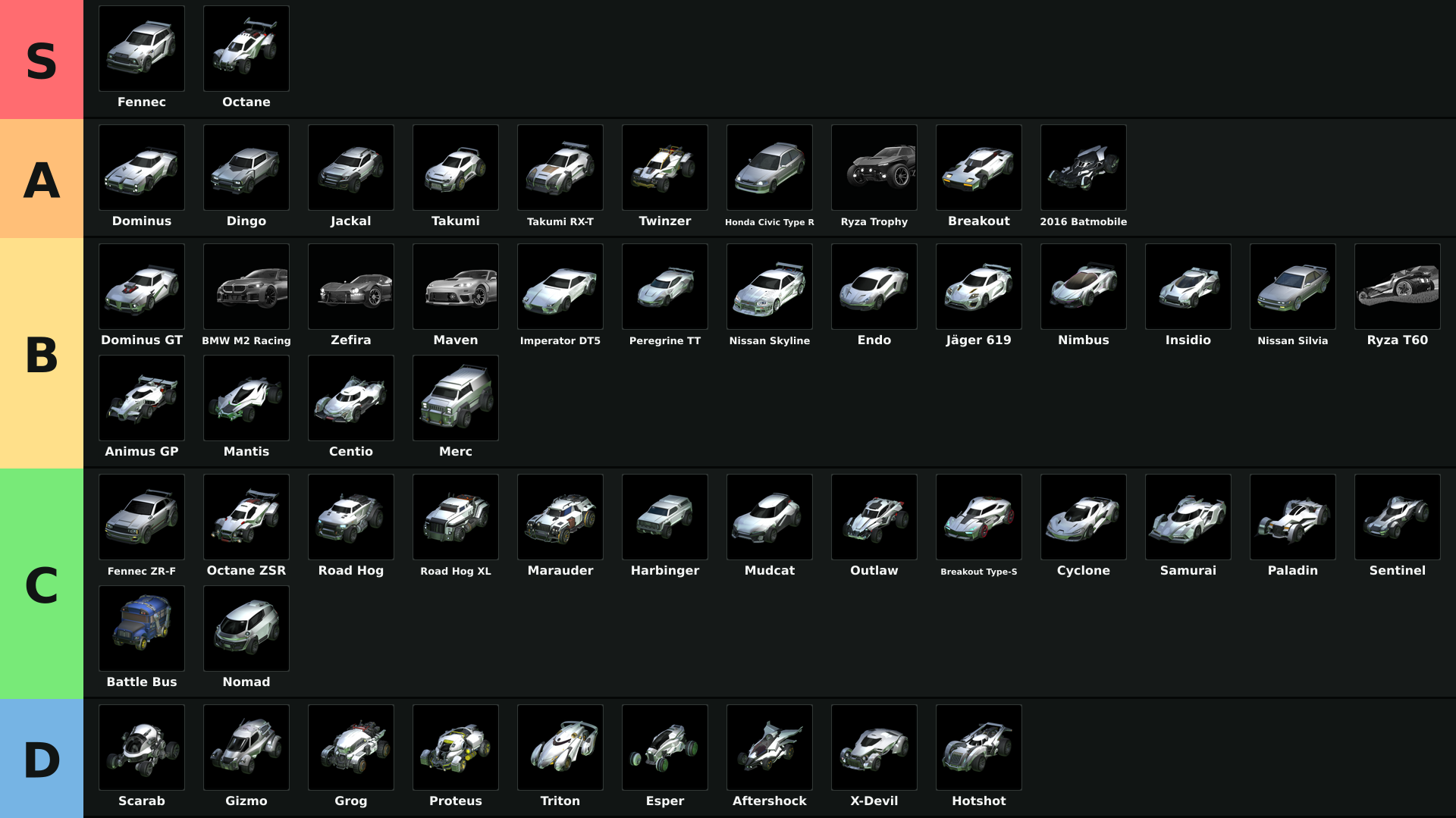
I ranked the most relevant competitive, free, Rocket Pass, and licensed cars rather than stuffing every reskin into one giant table. But cars sharing a body type may land in different tiers because their visual models may deviate from the original shape a lot:
|
Tier |
Cars |
|---|---|
|
S-Tier |
Fennec, Octane |
|
A-Tier |
Dominus, Dingo, Jackal, Takumi, Takumi RX-T, Twinzer, Honda Civic Type R, Ryza Trophy, Breakout, 2016 Batmobile |
|
B-Tier |
Dominus GT, BMW M2 Racing, Zefira, Maven, Imperator DT5, Peregrine TT, Nissan Skyline, Endo, Jäger 619, Nimbus, Insidio, Nissan Silvia, Ryza T60, Animus GP, Mantis, Centio, Merc |
|
C-Tier |
Fennec ZR-F, Octane ZSR, Road Hog, Road Hog XL, Marauder, Harbinger, Mudcat, Outlaw, Breakout Type-S, Cyclone, Samurai, Paladin, Sentinel, Battle Bus, Nomad |
|
D-Tier |
Scarab, Gizmo, Grog, Proteus, Triton, Esper, Aftershock, X-Devil, Hotshot |
S-Tier is reserved for the two most competitive bodies. Both use the sleek Octane hitbox, which has a great balance of height, width, and length for every situation you might find yourself in. The choice between them comes down to which visual model makes more sense to your eyes.
A-Tier contains cars with either a strong Octane visual model or a specialist hitbox that excels at a particular mechanic. Dominus and Batmobile are not as versatile as the S-tier options, but they can feel better when your playstyle revolves around hitting powerful shots, and flicks.
B-Tier cars are completely viable and often look fantastic even in the high ranks. But they either use a less versatile hitbox or visually represent their collision box less accurately than the leading options. C- and D- are mostly awkward visual fits. You can still reach Supersonic Legend with one of them, but you are choosing to do extra work to get the same results at this point.
Best Cars in Rocket League Explained
The top cars are not faster and do not receive a stronger boost. Their advantage is that they combine a handy hitbox with a body model that helps you predict every precise touch.
1. Fennec - Best Rocket League Car
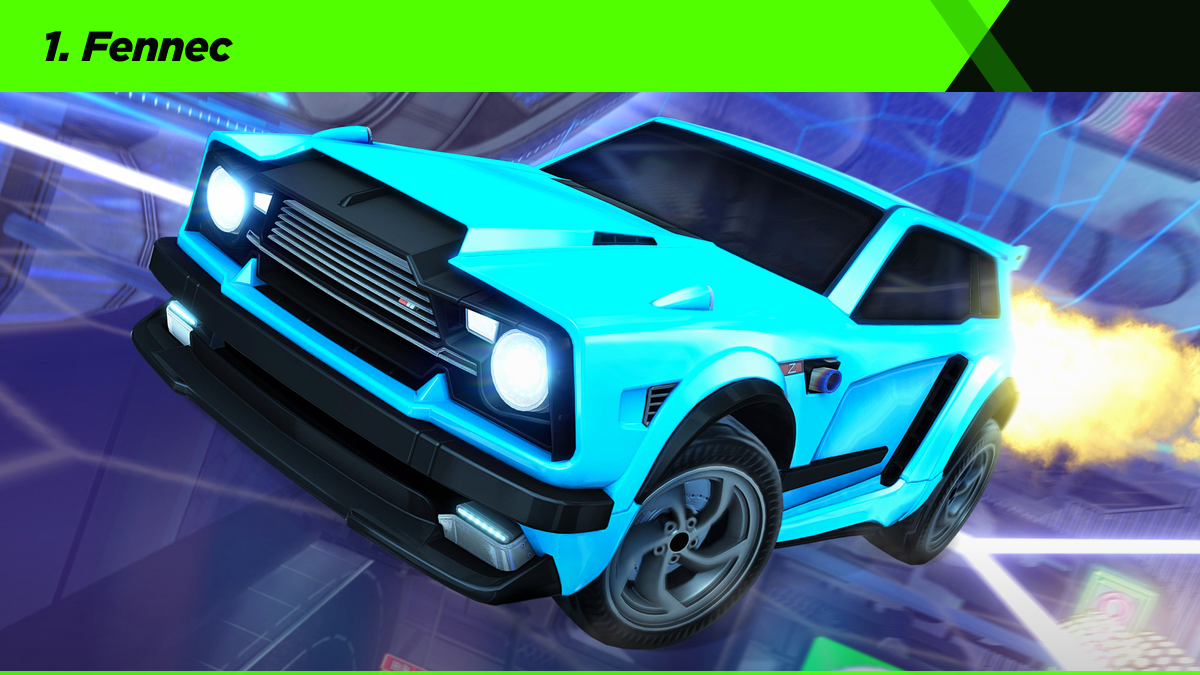
Fennec is the best car in Rocket League for 2026. It uses the Octane hitbox, but its rectangular body follows that invisible shape much more closely. The roof looks broad, the front appears squared off, and the sides are just good enough to get the right hit whenever you need it.
The boxy body is especially useful for ground dribbles. I find it easier to judge if the ball is going to land centered on the roof, and the broad-looking front makes kickoffs feel reassuring. Fennec’s main disadvantage is availability. Unlike the Octane, it is not one of the basic free bodies, so newer players need to obtain it somehow. Start with Octane, then try Fennec later.
2. Octane - Best Free Rocket League Car
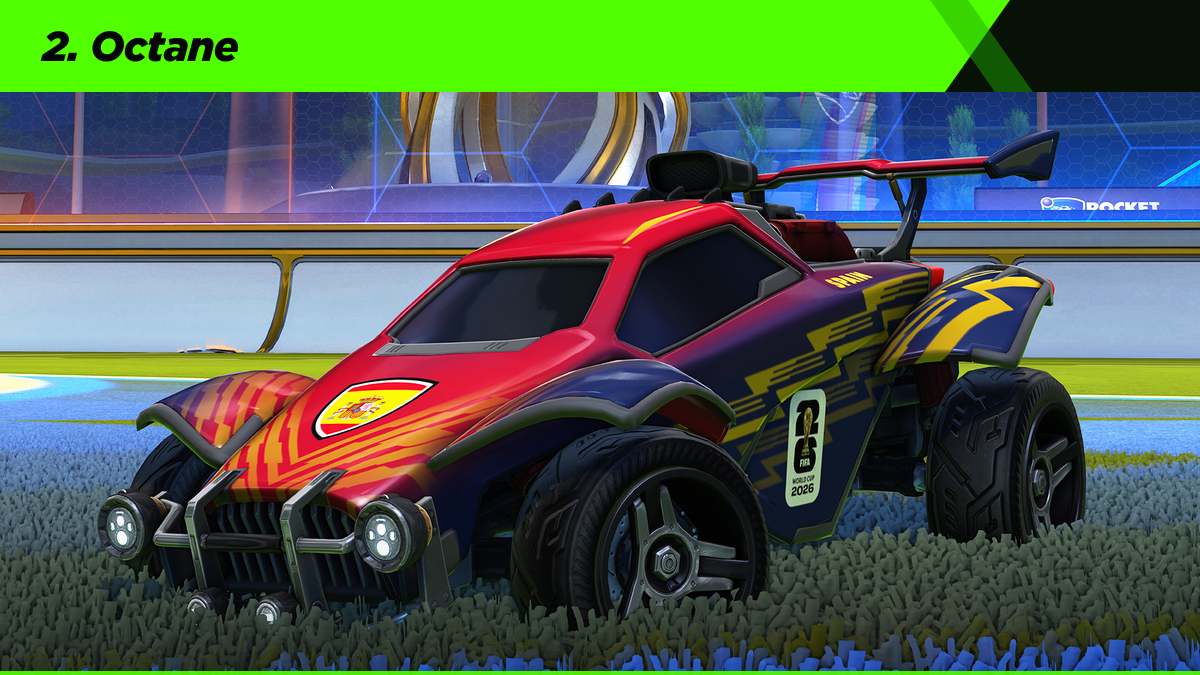
Octane uses the same excellent hitbox as Fennec, comes unlocked for all players, and has one of the most familiar profiles in the game. Its raised cabin makes the body look less boxy than the actual hitbox, but the nose and wheels give you clear reference points for accurate shots. Octane works for nearly every mechanic. Its height helps with grounded challenges and carrying the ball, while its shorter length makes rotations and close touches feel easy. It does not have Dominus-style reach at the nose or Batmobile width, but it’s an excellent car at what it does.
This is definitely the car I recommend to beginners because learning Rocket League is already hard enough. There is no need to add a bad vehicle to the equation.
3. Dominus - Best Car for Power Shots
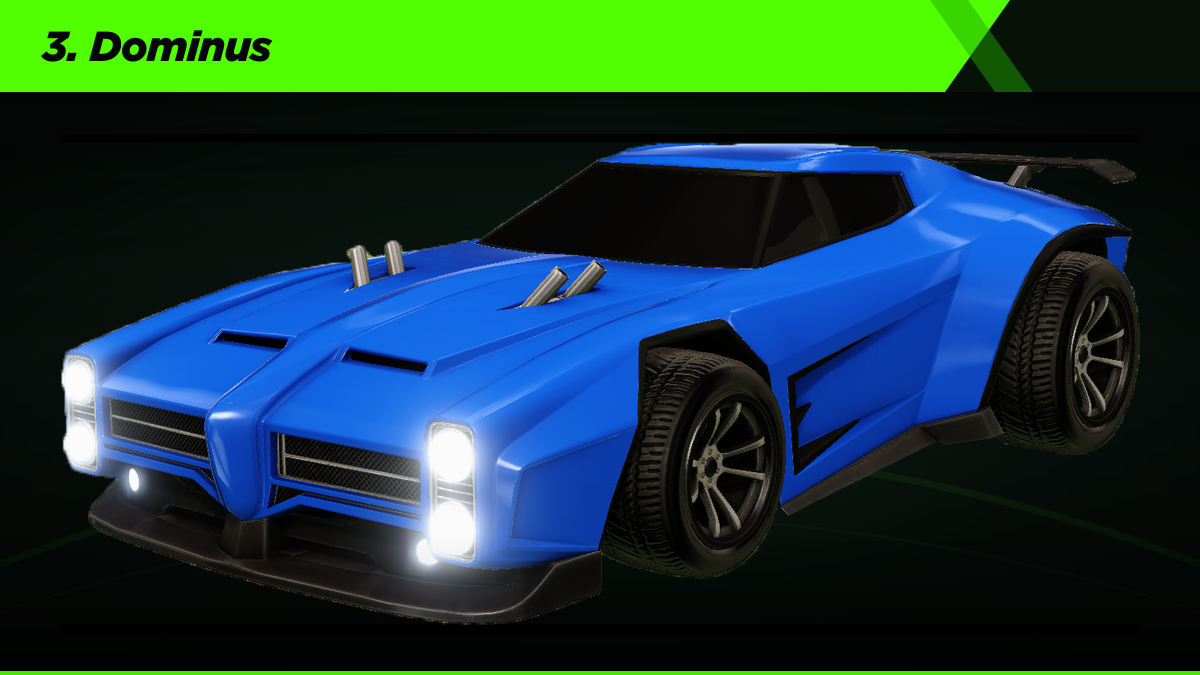
Dominus is the best alternative to the Octane family. Its hitbox is longer and lower, making it excellent for moves that use the front or top surface. Its length gives the nose a little more reach, and the lower roof can create vicious flick angles once you get the general feel of the car’s shape. Freestylers have loved Dominus-style bodies for years because the shape works naturally with air dribbles and spinning aerial touches.
There is a trade-off. Dominus is lower than Octane, so some ground challenges and kickoffs feel less forgiving. I have to be more deliberate when contesting a bouncing ball because there is less vertical body to catch it. The longer shape can also make tight recoveries feel strange until you get used to it.
4. Dingo - Best Fennec Alternative
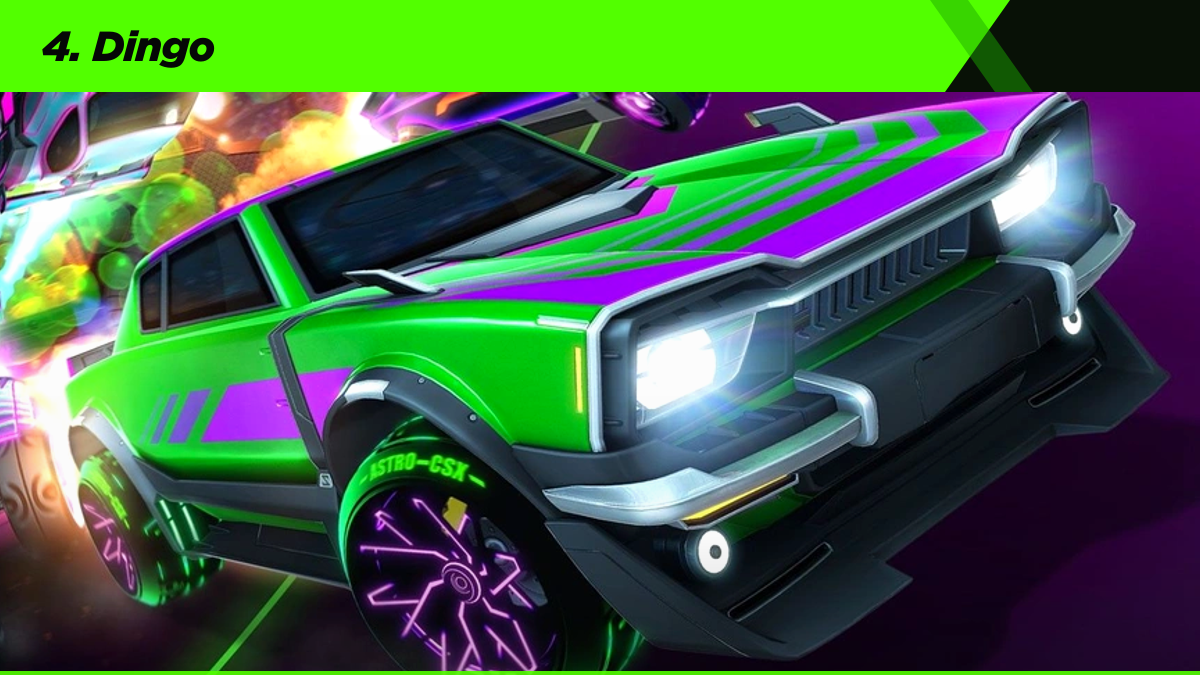
Dingo uses the Octane hitbox and follows the same square-car philosophy as Fennec, although it is slightly rounder and more compact-looking. That makes it one of the easiest alternatives to pick up without needing several matches to recalibrate your senses.
If Fennec feels bulky, just go for Dingo. Again, the physics do not change. The model is only tricking my brain in a different direction. Dingo looks narrower and a little more agile, so aerial touches can feel quicker even though the underlying car is doing the same thing.
Its body does not represent the roof and corners quite as well as Fennec, which is why I keep it in A- rather than S-. Still, the difference is small enough that I could main Dingo without feeling disadvantaged. It is one of the few non-Octane, non-Fennec bodies I regularly see people return to after the novelty period ends.
5. 2016 Batmobile - Best Car for 50/50s
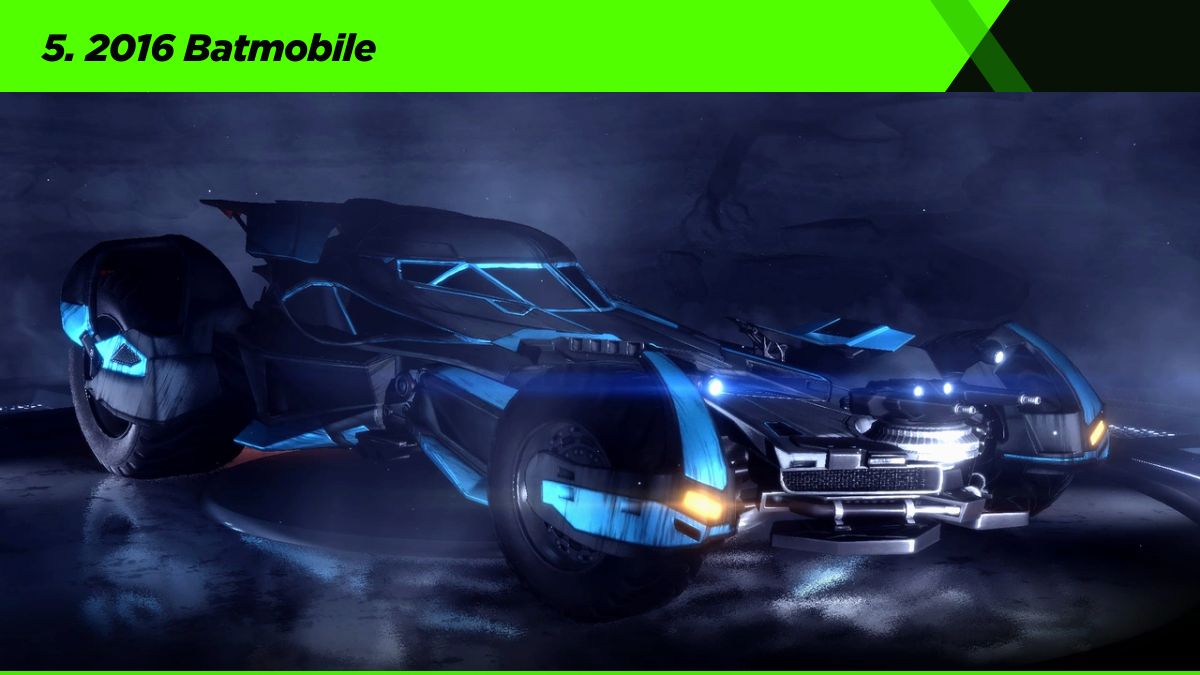
The 2016 Batmobile uses the Plank hitbox, which is extremely long, wide, and low. That shape gives it tremendous surface coverage during low challenges and makes it a dangerous car for flicks and controlled touches.
I particularly like it in 1v1 where the game usually stays grounded. The wide frame catches challenges that look slightly out of reach, and the low body can slide under the ball for mad flicks. The long nose also helps with last-second contact during shadow defense. However, the Batmobile asks its user for precision. Its low height makes awkward bounces harder to contest, and the narrow-looking vertical profile can punish me when I approach the ball at an Octane angle. Recoveries also take some adjustment because the body appears enormous during spins.
6. Breakout - Best Freestyle Car
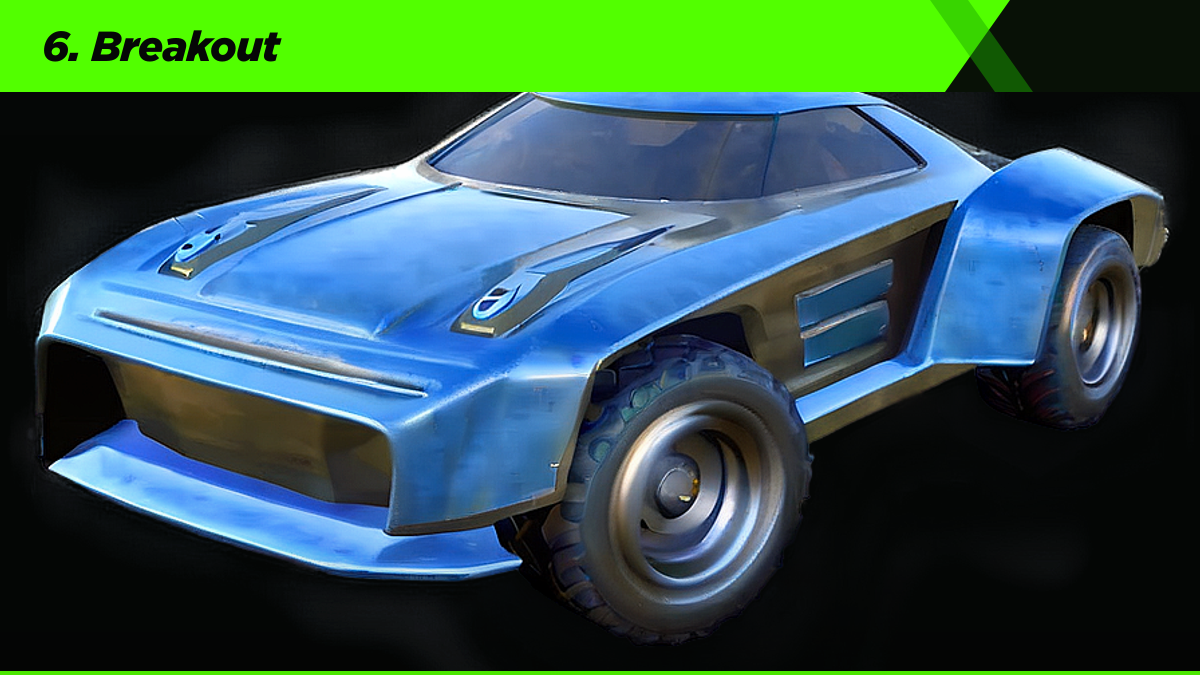
Breakout uses the longest standard hitbox in Rocket League, but it is narrower than the Plank and Octane types. That combination makes it fantastic for precise aerial contacts and air dribbles. The nose grants excellent reach when approaching the ball in the air. This is why Breakout has always had a loyal following among freestylers and players who enjoy mechanical solo plays.
What makes it great also could be its weakness. The car is low and narrow, so scrappy challenges are less forgiving of mistakes than they are with Octane. A slightly mistimed 50/50 can slip past a part of the model you’d usually expect to make contact.
7. Ryza Trophy - Best New Rocket League Car
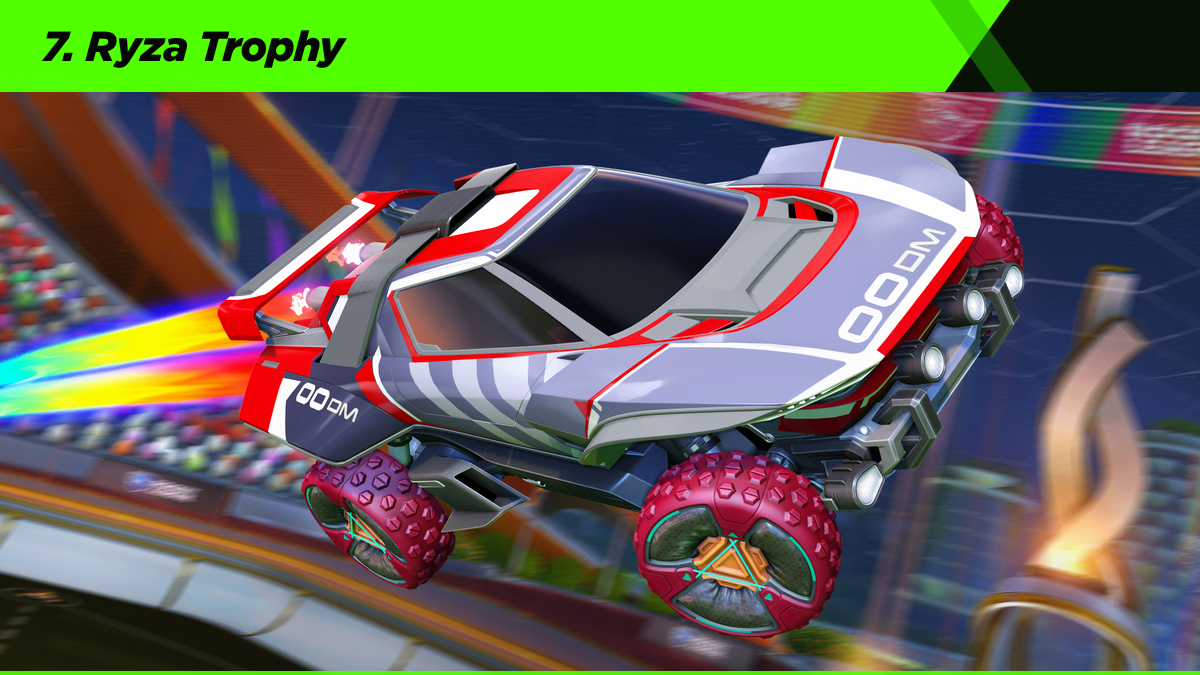
Ryza Trophy is the better of Season 23’s two Rocket Pass cars for competitive play. It uses the Octane hitbox, immediately giving it the same great foundation as Fennec, Dingo, and Octane.
The model has a sporty racing shape rather than Fennec’s box, but it still gives me decent reference points around the front and sides. It feels more natural than many previous Octane-hitbox Rocket Pass bodies, which often looked much longer or lower than the actual collision box.
I would not rank it beside Fennec yet. Part of what makes a Rocket League main feel dependable is hundreds of hours of familiarity, and Ryza Trophy has only been available since June 2026. Still, it is one of the strongest new-body candidates I have tried and an easy A-tier placement.
Best Rocket League Hitboxes Ranked
A car tier list eventually becomes a hitbox tier list because bodies in the same group share their physics. Here is how I rank the six standard options:
|
Rank |
Hitbox |
Best For |
Great Examples |
|---|---|---|---|
|
1 |
Octane |
Good in everything - dribbling, aerials, whatever comes to mind |
Fennec, Octane, Dingo |
|
2 |
Dominus |
Power shots, flicks, air dribbles |
Dominus, Dominus GT |
|
3 |
Plank |
Low 50/50s, flicks, pinches |
2016 Batmobile, Mantis |
|
4 |
Breakout |
Freestyling, aerial stuff |
Breakout, Ryza T60 |
|
5 |
Hybrid |
Ground play |
Nissan Skyline, Endo |
|
6 |
Merc |
Goalkeeping |
Merc, Battle Bus |
Octane takes first because it has no major weakness. It is tall enough for grounded challenges, broad enough for dependable contact, and short enough to feel manageable during dribbles and recoveries.
Best Rocket League Car for Beginners

Octane is the best beginner car. It is available without chasing a shop rotation or building a Blueprint, uses the most versatile hitbox, and teaches mechanics that transfer directly to Fennec, Dingo, and dozens of other Octane bodies.
I recommend staying with it for at least a few weeks and getting really good with it. Switching bodies can make Rocket League feel fresh, but it also changes how the game feels constantly, which could hinder your results. Fennec is the next step when you want a body that follows the hitbox more closely.
Does Your Car Matter in Rocket League?
I think the most important thing to know is that Rocket League currently uses just six standard car hitboxes: Octane, Dominus, Hybrid, Breakout, Merc, and Plank. Every body belongs to one of these groups, and cars using the same hitbox have the same underlying dimensions and handling, even though they might look different to the naked eye.
The visible model still has an effect on the game. Some bodies represent their hitbox more accurately, making it easier to judge the nose, roof, sides, and corners during fast touches. Others look much narrower, taller, or shorter than the invisible box around them. That visual mismatch is the main reason two cars with identical physics can feel completely different. Season 23 also added Hitbox Visualization to Training, so you can now compare the model with its actual collision shape right in your game.
So, does car choice affect the performance? A little. A readable model can help with confidence and touch prediction, especially when learning the game. It will not other mistakes you make, but it absolutely could make your time playing the game more enjoyable.